


For centuries, the Irish coastline has been more than just a source of stunning views and abundant fish—it has also provided one of the world’s most powerful superfoods: seaweed. Long used in traditional Irish cooking and medicine, seaweed is now experiencing a global revival, emerging as a modern health snack celebrated for its nutritional benefits and unique flavors. From traditional carrageen moss puddings to crispy roasted kelp chips, seaweed has traveled from humble coastal communities into health food shops, restaurants, and kitchens around the world.
Table of Contents
- The History of Seaweed in Irish Food Culture
- Nutritional Powerhouse: Why Seaweed Is Ireland’s Original Superfood
- From Shore to Shelf: The Rise of Seaweed Snacks
- Irish Seaweed in Modern Cuisine and Global Food Trends
- The Future of Seaweed: Sustainability, Innovation, and Everyday Eating
The History of Seaweed in Irish Food Culture
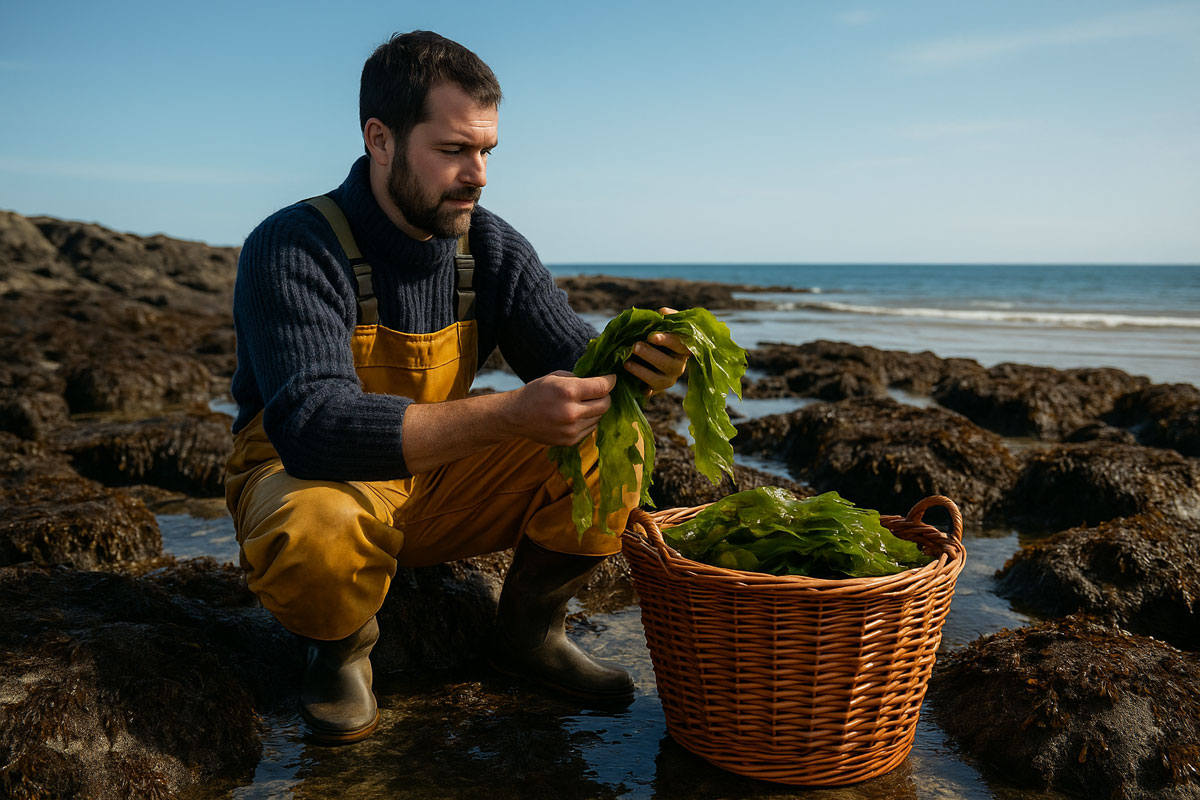
Seaweed has been part of Ireland’s diet and folk tradition for over a thousand years. With a rugged Atlantic coastline stretching more than 3,000 kilometers, Ireland has always had abundant access to edible seaweeds such as dulse (Palmaria palmata), carrageen moss (Chondrus crispus), and kelp. Generations of coastal communities relied on these marine plants as vital sources of nutrition, medicine, and even fertilizer for the land.
Historical records and folklore highlight the central role of seaweed in Irish life. During times of hardship, particularly in famine years, seaweed was harvested as a life-sustaining food. Dulse was often eaten dried, chewed like a savory snack, or added to broths for its salty, umami-rich flavor. Carrageen moss was prized for its natural gelling properties and was boiled into puddings, custards, and tonics believed to cure colds and stomach ailments. Kelp, meanwhile, was burned for its ash, which was used in soap-making and as a source of iodine.
Beyond food, seaweed had deep cultural significance. In many parts of Ireland, coastal families would pass down harvesting traditions, timing their collection with the tides and drying the seaweed on rocks under the sun. These practices not only provided sustenance but also fostered a sense of connection between the community and the ocean. Festivals and local markets often featured stalls selling bunches of dried dulse, which were enjoyed much like sweets are today.
While inland communities were less likely to consume seaweed regularly, coastal regions treated it as an everyday staple. For fishermen, farmers, and families living along the western seaboard, seaweed was both a comfort food and a necessity. Its high mineral content helped supplement diets that might otherwise lack variety, especially during long winters.
This rich history forms the foundation for the modern seaweed revival. Once regarded as a survival food, seaweed is now being reimagined as a gourmet ingredient and health snack. The cultural memory of chewing dulse or sipping carrageen moss pudding has evolved into the creation of seaweed crisps, powders, and energy bars that appeal to contemporary tastes.
Nutritional Powerhouse – Why Seaweed Is Ireland’s Original Superfood
Seaweed has earned the title of “Ireland’s original superfood” for good reason. Packed with vitamins, minerals, and antioxidants, these marine vegetables provide a nutritional profile that few land-grown plants can match. For centuries, coastal communities instinctively recognized its value, long before modern science confirmed the benefits.
Rich in essential minerals: Seaweed is naturally high in iodine, calcium, magnesium, iron, and potassium. Iodine is particularly important for healthy thyroid function, and historically, seaweed was one of the only reliable dietary sources of this mineral. This helped prevent deficiencies in coastal communities, supporting metabolism and overall health.
High in vitamins: Many Irish seaweeds contain significant amounts of vitamins A, C, E, and K, as well as several B vitamins. Vitamin C, found in dulse, was especially useful in preventing scurvy, making seaweed a critical survival food during harsh winters and long sea voyages. Vitamin K, meanwhile, plays an essential role in bone and blood health.
Protein and fiber content: Some seaweeds, such as spirulina and kelp, are high in protein, making them an excellent plant-based supplement in a diet otherwise centered on grains, potatoes, and meat. Seaweed is also rich in dietary fiber, which aids digestion, supports gut health, and promotes a feeling of fullness, making it an ideal snack for modern health-conscious eaters.
Low in calories, big on flavor: Despite its impressive nutrient density, seaweed is very low in calories and fat. Its naturally salty, umami-rich taste makes it a flavorful alternative to less healthy processed snacks. In this way, seaweed delivers both satisfaction and nutrition without compromising on health goals.
Antioxidants and anti-inflammatory compounds: Research has shown that Irish seaweeds contain unique bioactive compounds that may reduce inflammation, improve heart health, and even protect against certain chronic illnesses. These properties make seaweed an exciting area of study for modern nutrition science, as traditional uses find support in new research.
Because of this powerful nutritional profile, seaweed has transitioned from being a food of necessity in coastal Ireland to one of luxury and wellness in the modern world. What was once a humble snack for fishermen is now found in health food stores, smoothie powders, and gourmet restaurants. This transformation highlights seaweed’s versatility—not only as a survival staple but as a food for the future. 
From Shore to Shelf – The Rise of Seaweed Snacks
What was once a simple, dried snack chewed by Irish fishermen has now become a global food trend. Seaweed snacks, in their many forms, are enjoying a renaissance as consumers worldwide seek out healthier, sustainable alternatives to processed foods. Ireland, with its long history of seaweed harvesting and pristine Atlantic coastline, is playing a leading role in this movement.
Traditional roots, modern twist: Dried dulse, once sold in coastal markets and fairs, has inspired today’s packaged seaweed crisps and nori-style sheets. Carrageen moss, once boiled into puddings, is now available as a powdered thickener in smoothies and health products. These modern iterations connect back to Ireland’s heritage while meeting contemporary tastes for convenience and variety.
Irish producers leading the way: Small businesses along the Irish west coast have begun to harvest and package seaweed snacks for both domestic and export markets. From kelp chips roasted with sea salt to snack bars enriched with seaweed powder, these products highlight Ireland’s reputation for high-quality, natural foods. Branding often draws on Celtic heritage and coastal imagery, linking modern snacks to their ancient origins.
Global popularity: While seaweed snacks first gained mainstream attention in Asian cuisines, particularly in Japan and Korea, the Irish version is carving out its own niche. Health-conscious consumers in Europe and North America are increasingly turning to Irish seaweed snacks for their authentic provenance, sustainable harvesting methods, and unique flavors. Irish dulse crisps and kelp-based seasoning blends are now found in specialty stores and online shops worldwide.
Convenience and health appeal: The success of seaweed snacks lies in their ability to balance taste and nutrition. Lightweight, portable, and shelf-stable, they fit perfectly into modern lifestyles. At the same time, their high mineral content, low calories, and natural umami flavor make them an appealing choice for anyone seeking a healthier alternative to chips or crackers.
A bridge between old and new: What makes the rise of seaweed snacks especially compelling is the way they connect the past with the present. Eating seaweed today is not only about wellness trends—it’s about preserving and celebrating a deeply rooted Irish tradition. Each packet of roasted dulse or kelp crisps carries with it centuries of cultural history, reinvented for modern palates.
Irish Seaweed in Modern Cuisine and Global Food Trends
While seaweed snacks have captured the attention of health-conscious consumers, Irish seaweed has also made its way into fine dining, everyday cooking, and even global food trends. Chefs, nutritionists, and food innovators are embracing seaweed not only for its nutrition but also for its flavor, sustainability, and cultural story.
On the restaurant menu: Many Irish chefs now incorporate seaweed into their dishes, celebrating it as a local and seasonal ingredient. Dulse is sprinkled over seafood chowders, kelp is used to season breads and sauces, and carrageen moss features in modern desserts with a nod to tradition. In coastal restaurants, seaweed has become a marker of authenticity and terroir, connecting diners with Ireland’s maritime heritage.
Health supplements and powders: Beyond the kitchen, seaweed is being dried, ground, and packaged as a superfood powder. Carrageen moss is particularly popular in smoothies, teas, and health tonics. These products appeal to wellness-focused consumers who want the benefits of seaweed without needing to prepare it in traditional ways. This adaptation has helped seaweed reach a broader audience worldwide.
Seaweed in beverages and cocktails: Innovative mixologists and food entrepreneurs are finding creative uses for seaweed in drinks. From kelp-infused gins to dulse-flavored craft beers, Irish producers are highlighting seaweed as a natural flavor enhancer. Even non-alcoholic beverages, such as seaweed teas and mineral-rich broths, are gaining traction in health and lifestyle markets.
Global inspiration, Irish pride: While Asian cuisines have long celebrated seaweed, Ireland’s contribution brings a distinctive Atlantic twist. Irish seaweed varieties—harvested from some of the cleanest waters in the world—offer unique flavors and nutritional profiles. As global interest in sustainable foods grows, Irish seaweed is increasingly marketed as a premium, eco-friendly alternative.
Fusion and innovation: Seaweed is now appearing in unexpected places: as seasoning for popcorn, blended into pasta dough, or used to cure meats. These innovations show how versatile and adaptable seaweed is, bridging the gap between traditional coastal foods and international culinary experimentation.
Irish seaweed is no longer confined to coastal communities or folk remedies—it has become a star ingredient on the global stage.
The Future of Seaweed – Sustainability, Innovation, and Everyday Eating
As seaweed moves from tradition to trend, its future in Ireland and beyond looks bright. More than just a passing fad, seaweed has the potential to play a vital role in addressing modern challenges—from sustainability and food security to health and culinary innovation. What began as a humble coastal staple may become one of the most important foods of the 21st century.
A sustainable superfood: Seaweed requires no soil, fresh water, or fertilizers to grow, making it one of the most eco-friendly crops available. Harvested responsibly, it can help reduce pressure on land-based agriculture while absorbing carbon dioxide and supporting marine ecosystems. Ireland’s clean Atlantic waters provide the perfect environment for sustainable seaweed cultivation, giving the country a unique opportunity to lead in this field.
Expanding industry and innovation: The Irish seaweed industry is growing, with companies investing in new farming techniques and product development. From snack foods to animal feed, fertilizers, and even cosmetics, seaweed’s versatility ensures demand across multiple sectors. Start-ups and established producers alike are exploring how to scale seaweed production while maintaining its quality and heritage.
Part of the everyday Irish diet: While seaweed has already gained popularity as a health snack and gourmet ingredient, the next step is its integration into daily meals. Bread fortified with kelp, pasta infused with dulse, and soups enriched with carrageen moss are becoming more common. These everyday applications bring seaweed back to the table in a way that echoes Ireland’s past, while embracing modern convenience.
Global recognition: Irish seaweed is increasingly exported around the world, where it is recognized for its purity, taste, and nutritional richness. As consumer demand for clean-label, natural, and plant-based foods grows, Irish seaweed is well-positioned to become a global ambassador for sustainable nutrition.
The cultural revival: Perhaps most importantly, the rise of seaweed in mainstream food culture is also reviving traditional knowledge and coastal heritage. Communities that once relied on seaweed for survival now see it as a source of pride and economic opportunity. Harvesting festivals, educational programs, and artisanal producers are ensuring that seaweed remains both a modern innovation and a living tradition.
Conclusion: Seaweed has come full circle in Ireland. Once a survival food for coastal families, it is now a celebrated superfood with global appeal. Its nutritional power, culinary versatility, and sustainability make it more than just a passing trend—it is a vital part of Ireland’s food future. Whether enjoyed as a crisp snack, a gourmet ingredient, or a health tonic, seaweed continues to prove that the humblest foods can hold the greatest potential.