


For centuries, apple trees were a familiar sight throughout the Irish countryside. Farmhouse orchards, monastery gardens, and estate grounds cultivated a wide variety of apples suited to Ireland’s climate and soils. These apples provided food, cider, preserves, and an important connection to local traditions. Yet by the twentieth century, many of Ireland’s traditional apple varieties had largely disappeared, replaced by imported commercial cultivars and changing agricultural practices.
Today, however, a growing movement is helping to bring these forgotten fruits back to life. Across Ireland, orchard restoration projects, heritage fruit collections, and dedicated growers are working to preserve traditional apple varieties that might otherwise have been lost forever. Their efforts are helping reconnect Ireland with a rich and often overlooked part of its food heritage.
Ireland’s Historic Orchard Tradition
Apple growing has a surprisingly long history in Ireland. Monastic communities cultivated fruit trees as early as the medieval period, while estate gardens and rural farmsteads often maintained orchards for household use. Apples were valued for their versatility, serving as a source of fresh fruit, preserves, baking ingredients, and cider.
Unlike modern commercial orchards that often focus on only a handful of varieties, traditional Irish orchards contained a remarkable diversity of apples. Some were prized for eating fresh, others for cooking, and many for cider production. Over generations, local growers selected varieties that performed particularly well in specific regions and conditions.
This diversity helped create a rich orchard culture that varied from county to county. Many apples were known only within their local area and rarely traveled beyond neighboring communities.
Why Heritage Apples Disappeared
The decline of heritage Irish apples occurred gradually during the nineteenth and twentieth centuries. As commercial agriculture expanded, growers increasingly favored varieties that produced consistent yields, stored well, and transported easily to larger markets.
Imported cultivars often met these commercial requirements better than local heritage varieties. As older orchards disappeared, many traditional apples vanished with them.
Changes in rural life also contributed to the decline. Smaller family orchards became less common, while urbanization reduced the number of households maintaining fruit trees for their own use. In many cases, valuable local varieties survived only because a few aging trees remained in forgotten corners of farms or old estates.
By the late twentieth century, some heritage Irish apples were considered extremely rare, with only a handful of known trees still in existence.
The Unique Character of Heritage Irish Apples
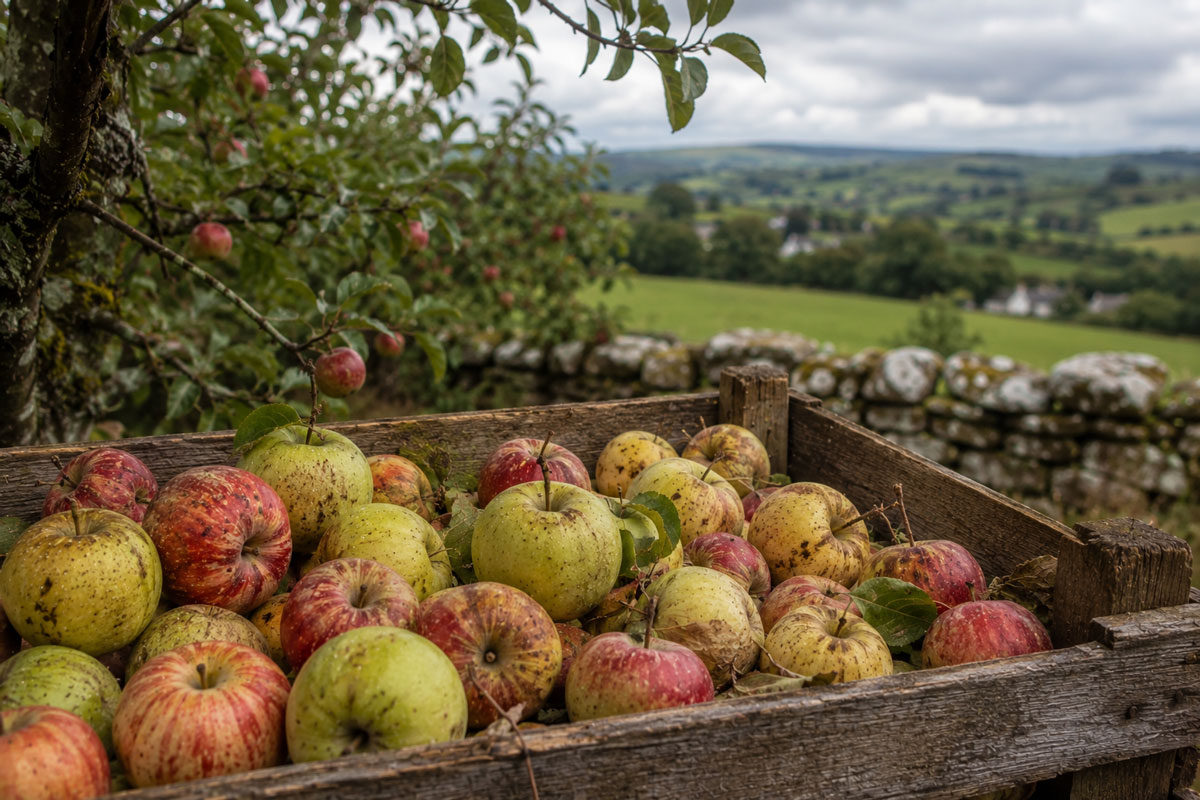
One reason heritage apples have attracted renewed interest is their extraordinary diversity of flavors, textures, and appearances. Unlike the relatively uniform apples commonly found in supermarkets, heritage varieties often possess distinctive characteristics developed over centuries.
Some heritage Irish apples are exceptionally sweet, while others offer sharp acidity ideal for cooking or cider making. Certain varieties produce richly aromatic fruit with complex flavors that modern commercial apples sometimes lack.
Their appearance can be equally striking. Heritage apples come in a range of colors, shapes, and sizes, from small russeted fruits to large cooking apples with vibrant red or green skins.
Many growers and food enthusiasts argue that preserving these varieties is important not only for cultural reasons but also for maintaining valuable genetic diversity within apple populations.
The Modern Revival Movement
In recent years, interest in heritage Irish apples has grown significantly. Conservation organizations, orchard groups, horticultural societies, and individual growers have launched efforts to identify, preserve, and propagate traditional varieties.
Researchers have spent years tracking down old trees and documenting rare cultivars that survive in rural areas. Cuttings from these trees can be grafted onto new rootstocks, allowing historic varieties to be preserved for future generations.
Community orchards have also become increasingly popular. These projects often plant a mixture of traditional Irish apple varieties, helping educate the public while creating valuable local food resources.
Many homeowners have joined the movement as well, choosing heritage apple trees for gardens and small orchards. This growing interest has helped increase demand for traditional varieties once thought to be on the verge of disappearing.
Heritage Apples and Irish Cider
The revival of heritage apples has been closely linked to the growth of Ireland’s craft cider industry. Many traditional apple varieties possess characteristics particularly suited to cider production, including balanced sweetness, acidity, and tannin levels.
Craft cider makers increasingly seek out heritage apples to create distinctive products that reflect local landscapes and traditions. Much like the farm-to-table movement has encouraged interest in regional foods, cider producers have embraced the concept of expressing local identity through traditional fruit varieties.
This connection between heritage apples and artisan cider has created new economic opportunities for orchard growers while helping preserve rare cultivars.
In some regions, the revival of cider production has directly supported the restoration of historic orchards that might otherwise have been lost.
Looking to the Future
The future of heritage Irish apples appears increasingly promising. Growing public interest in local food, sustainability, biodiversity, and traditional farming practices has helped create renewed appreciation for these historic fruits.
Schools, community groups, conservation organizations, and food producers continue to play important roles in promoting orchard restoration and protecting rare varieties. Each newly planted tree helps ensure that Ireland’s apple-growing heritage remains part of the country’s future.
Beyond their practical value, heritage apples offer something deeper: a tangible connection to Ireland’s past. They represent generations of growers who carefully selected, cultivated, and passed down varieties adapted to local landscapes and conditions.
The return of heritage Irish apples is about far more than fruit. It is a story of preservation, identity, and renewal. As traditional orchards once again take root across the countryside, they are helping to revive a forgotten chapter of Ireland’s food heritage—one apple tree at a time.