


Table of Contents
- Introduction: What Is Carrageen Moss Pudding?
- A Seaweed with a Story: Harvesting and History
- Health Benefits of Carrageen Moss
- Traditional Recipe and Variations
- Carrageen Moss Today: From Wellness Trend to Irish Heritage Treat
What Is Carrageen Moss Pudding?
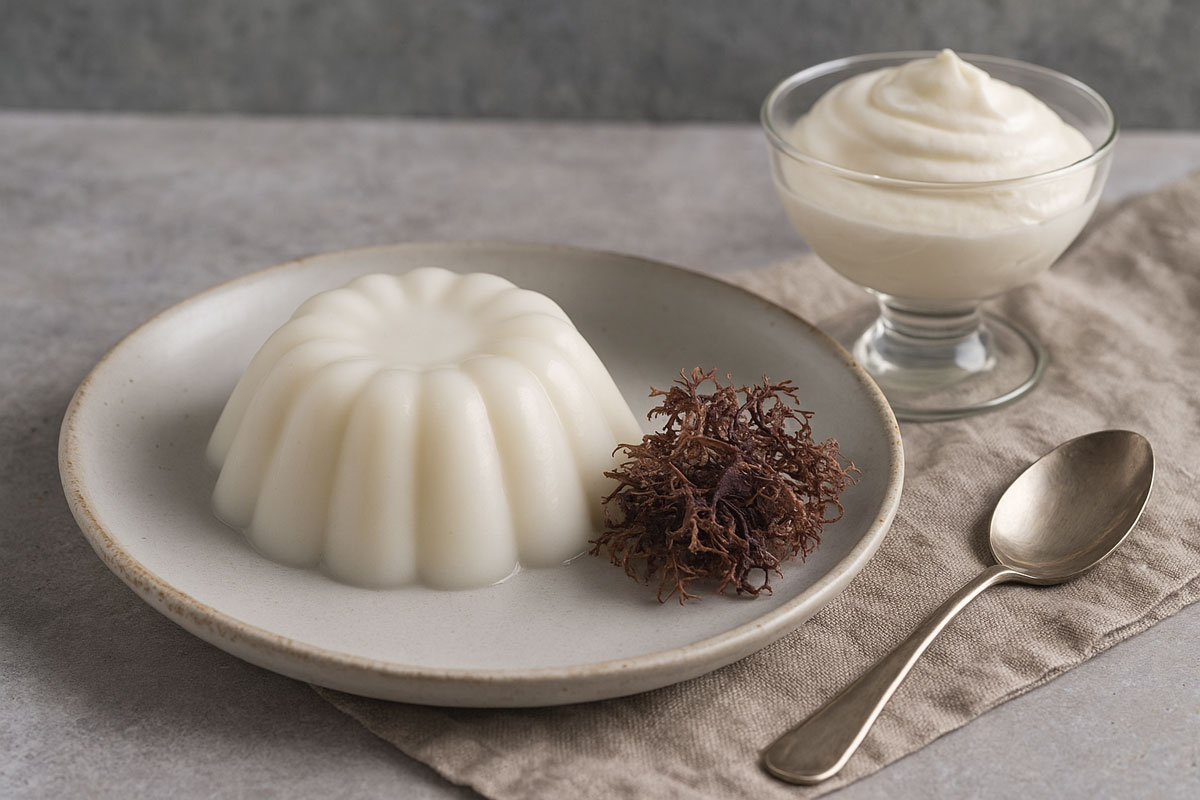
Carrageen Moss Pudding is a delicately set, creamy Irish dessert made using a surprising ingredient: seaweed. Its base is Chondrus crispus, better known as Irish moss or carrageen moss—a red seaweed found clinging to the Atlantic rocks along Ireland’s rugged coastline.
This humble sea vegetable, once foraged by hand and dried under the Irish sun, has long been treasured for its natural thickening properties and impressive nutritional value. When gently simmered in milk, carrageen moss releases a natural gelatin-like substance that sets into a silky, spoonable pudding with subtle flavor and remarkable character.
While Carrageen Moss Pudding may have originated as a rural remedy and famine food, it’s now enjoying a revival in Irish kitchens, health-conscious cafes, and heritage restaurants. Its appeal lies not just in its old-world charm but also in its modern wellness benefits—rich in iodine, minerals, and plant-based gelatin without the need for eggs or flour.
What Makes Carrageen Moss Pudding Special?
- Wholesome and Minimal: Traditionally made with just seaweed, milk, sugar, and a touch of lemon or vanilla.
- Natural Gelatin Substitute: Ideal for vegetarians or those avoiding animal-based thickeners.
- Nutrient-Rich: High in calcium, magnesium, iodine, and antioxidants.
- Light Yet Satisfying: A refreshing finish to a hearty Irish meal.
Now we’ll explore the history, health benefits, and preparation of Carrageen Moss Pudding, along with tips for making both traditional and modern variations of this uniquely Irish seaweed-based dessert.
A Seaweed with a Story: Harvesting and History
Carrageen moss has a long and storied connection to Ireland’s coastal communities. Known in Irish as carraigín (meaning “little rock”), this red algae has been gathered from the shores of counties like Kerry, Clare, and Donegal for centuries. But its use goes far beyond dessert—it was once a household remedy, a wartime food staple, and a deeply rooted part of Irish coastal life.
From Sea to Stove: A Coastal Tradition
Historically, carrageen moss was collected by hand during low tide. Harvesters would pick the seaweed off rocks, rinse it in fresh water, and then lay it out to dry on flat stones or grass in the sun. This drying process not only preserved it for months but also intensified its gelling properties. When rehydrated and boiled in milk or water, the moss released a natural substance called carrageenan, which thickens liquids without the need for flour, starch, or gelatin.
Because it was both nutritious and shelf-stable, carrageen moss became a vital food during times of scarcity, including the Great Famine of the 1840s. Families used it to make broths for the sick, light puddings, and even drinks flavored with honey, lemon, or whiskey to treat colds and coughs.
Cultural Roots and Medicinal Beliefs
In Irish folk medicine, carrageen moss was prized as a remedy for respiratory issues. Its mucilaginous texture was thought to soothe sore throats and chest infections. Even today, some people simmer it with lemon and cloves to make a comforting tonic in wintertime. Its continued use in rural households is a testament to how deeply ingrained it is in Irish food and health traditions.
From Humble Harvest to Heritage Ingredient
Though it fell out of fashion during much of the 20th century, carrageen moss has recently enjoyed a resurgence. Artisan producers, chefs, and health-conscious cooks are rediscovering its value—not only as a nostalgic dessert base, but as a sustainable, Irish-grown alternative to imported thickeners and supplements. In this way, Carrageen Moss Pudding has come full circle: from foraged survival food to gourmet menu item.
Today, dried Irish moss is widely available in health food shops and online, allowing a new generation to experience the soft, wobbly delight of a pudding with roots in Ireland’s rugged coastlines.

Health Benefits of Carrageen Moss
Carrageen moss isn’t just a nostalgic ingredient—it’s also a powerful superfood. Often called the “Irish sea superweed,” this humble red algae packs a surprising number of health benefits into its wiry frame. For centuries, it has been used as a home remedy, and today it’s increasingly recognized by nutritionists and wellness advocates for its natural healing properties.
1. Rich in Essential Minerals
Carrageen moss is naturally high in iodine, calcium, magnesium, potassium, and iron—nutrients essential for thyroid function, bone health, and energy production. Iodine, in particular, is vital for supporting the thyroid gland, which regulates metabolism and hormone levels. For those who avoid iodized salt or don’t eat seafood regularly, carrageen moss offers a plant-based alternative.
2. Natural Source of Vegan Collagen Support
While it doesn’t contain collagen itself, Irish moss helps support the body’s collagen production thanks to its high sulfur content. This makes it especially appealing to those following vegan or plant-based diets who want to support skin, joint, and hair health naturally.
3. Supports Digestive Health
The gelatinous texture of carrageen moss is due to its high mucilage content, a type of soluble fiber that coats and soothes the digestive tract. It may help ease acid reflux, gastritis, and constipation. The prebiotic nature of this fiber also supports gut health by feeding beneficial bacteria in the microbiome.
4. Immune System Support
Irish moss contains bioactive compounds believed to have antibacterial and antiviral properties. It has long been brewed into teas or tonics to ease colds and coughs. Modern research into seaweed-derived compounds shows promise for immune modulation and inflammation reduction, though more clinical studies are still needed.
5. Naturally Gluten-Free and Allergen-Friendly
One of the reasons Carrageen Moss Pudding has remained popular in traditional Irish homes is because it’s suitable for nearly everyone. It’s gluten-free, dairy-optional, soy-free, nut-free, and made with minimal ingredients. For people with food sensitivities or digestive issues, this dessert offers a safe and nourishing option.
Quick Nutritional Snapshot (per 5g dried moss, rehydrated):
- Calories: ~10
- Iodine: ~300 mcg (200% RDA)
- Calcium: ~30 mg
- Magnesium: ~14 mg
- Fiber: ~1 g
As with any supplement or superfood, moderation is key—especially with iodine-rich seaweeds. But when used thoughtfully as part of a traditional dish like pudding, carrageen moss offers both comfort and health in one delicious spoonful.
Traditional Recipe and Variations
One of the most wonderful things about Carrageen Moss Pudding is its simplicity. With just a few ingredients, this centuries-old Irish dessert transforms seaweed into a silky, mildly sweet pudding. Below, you’ll find a traditional version of the recipe along with modern variations to suit different tastes and dietary needs.
Traditional Carrageen Moss Pudding Recipe
Ingredients:
- 15g (about ½ oz) dried carrageen moss (Irish moss)
- 600ml (2½ cups) whole milk
- 1–2 tablespoons sugar (to taste)
- 1 teaspoon vanilla extract or a piece of lemon peel
- Optional: whipped cream, honey, or stewed fruit for serving
Instructions:
- Soak the dried carrageen moss in cold water for 15–20 minutes, then rinse well to remove any sand or debris.
- Place the moss and milk in a saucepan. Add sugar and vanilla extract (or lemon peel if using).
- Gently bring to a boil, then reduce heat and simmer for 20–25 minutes, stirring occasionally. The mixture will thicken slightly, and the moss will release its natural gelling agent.
- Strain the mixture through a fine sieve or muslin into a bowl or mould, pressing to extract all liquid.
- Let it cool slightly, then refrigerate until fully set (about 4–6 hours).
- Serve chilled, topped with a spoonful of whipped cream, a drizzle of honey, or fresh berries.
Modern Variations
- Dairy-Free: Substitute almond milk, oat milk, or coconut milk. Add an extra tablespoon of moss for firmer texture.
- Chocolate Carrageen Pudding: Add 1–2 tablespoons of cocoa powder during simmering and increase sweetener to balance the bitterness.
- Spiced Winter Tonic: Simmer the moss in water with cloves, cinnamon, lemon peel, and honey. Serve as a warm drink instead of a pudding.
- Lemon & Elderflower: Use lemon zest and a splash of elderflower cordial for a floral, spring-inspired version.
Tips for Best Results
- Use whole milk for the most authentic, creamy result. Lower-fat milks will yield a thinner texture.
- Don’t overboil the moss—it can reduce its gelling power. A gentle simmer is ideal.
- For a smoother finish, strain through muslin cloth rather than a standard sieve.
- If it doesn’t set firmly, try adding slightly more moss next time or simmering a bit longer.
Whether you stick with the traditional method or explore new flavors, Carrageen Moss Pudding offers a beautiful balance of nostalgia and nutrition, making it a standout dessert in the world of Irish cuisine.
Carrageen Moss Today: From Wellness Trend to Irish Heritage Treat
Once a practical and nourishing dessert born from the wild shores of Ireland, Carrageen Moss Pudding is now enjoying a well-deserved revival. From health food circles to fine-dining menus, this seaweed-based dish has found a new place in the modern culinary world—without losing its old-world soul.
Rising Popularity in Wellness Culture
The global rise in interest in natural remedies, gut health, and sustainable foods has brought carrageen moss back into the spotlight. Social media influencers and health bloggers promote Irish moss as a superfood ingredient, blending it into smoothies, facial masks, and gel-based supplements. While not all uses are traditional, this renewed attention has increased awareness of its value and heritage.
Thanks to its mineral content and vegan-friendly gelling properties, carrageen moss is also gaining traction as a plant-based alternative to gelatin in everything from puddings and custards to dairy-free yoghurts and ice creams.
Reclaiming Heritage in Irish Cuisine
At the same time, many Irish chefs and food historians are working to reclaim carrageen moss as a cultural and culinary treasure. It now features on the menus of eco-conscious restaurants and is used in contemporary reinterpretations of classic dishes. Whether served as a light panna cotta or incorporated into inventive seafood sauces, it speaks of Ireland’s deep relationship with the sea.
Cookery schools along the Wild Atlantic Way often include seaweed workshops, teaching a new generation to forage and cook with ingredients like dulse, kelp, and carrageen moss. This isn’t just about nutrition—it’s about storytelling, tradition, and sustainability.
Where to Find Carrageen Moss
- Health food stores across Ireland and the UK
- Online retailers offering Irish-grown or organic seaweed
- Artisan markets along the coast, particularly in counties Kerry, Clare, and Donegal
Look for dried whole moss with a slight purple-brown hue and salty scent. Always rinse well before use, as it’s a natural product straight from the sea.
A Dessert Worth Preserving
Carrageen Moss Pudding may not have the instant sweetness of modern desserts, but that’s part of its charm. It’s a gentle, nourishing dish that invites you to slow down, appreciate the land and sea, and connect with Ireland’s culinary roots. Whether you serve it at a dinner party or enjoy it quietly on your own, it’s a reminder that real food has a story—and sometimes, it begins on a wave-battered rock along the Atlantic shore.
Simple. Sustainable. Deeply Irish.
That’s Carrageen Moss Pudding.