


The Irish pub is one of the most recognizable symbols of Ireland today. Visitors from around the world seek out traditional pubs for their warm hospitality, lively conversation, music, and rich sense of community. Yet centuries before the familiar public house emerged, Ireland was home to alehouses, inns, taverns, and other gathering places that played a similar role in everyday life.
These establishments were far more than places to enjoy a drink. They served as centers of hospitality, commerce, storytelling, entertainment, and local politics. Farmers gathered after market days, travelers sought shelter from the weather, merchants negotiated business deals, and musicians shared songs that might be remembered for generations.
To step into an alehouse of old Ireland was to enter the social heart of the community. While much has changed over the centuries, many of the customs that define the modern Irish pub can trace their roots back to these early drinking houses.
Before the Irish Pub
The modern pub is a relatively recent development in Irish history. Prior to the eighteenth and nineteenth centuries, people gathered in a variety of establishments that served food, drink, and lodging. Depending on the region and era, these might be known as alehouses, inns, taverns, or shebeens.
Hospitality held a special place in Irish society. Under Gaelic traditions, welcoming visitors with food and drink was considered both a social duty and a source of honor. Wealthy households, monasteries, and local leaders often maintained guest accommodations for travelers passing through their territory.
As towns expanded and trade increased, dedicated commercial establishments gradually appeared. These early drinking houses became important gathering places where people could eat, drink, exchange information, and conduct business.
Alehouses in Medieval Ireland
By the medieval period, alehouses could be found in towns, villages, and along important travel routes throughout Ireland. Most were modest establishments compared to modern pubs. Some operated from private homes, while others occupied simple timber or stone buildings.
Alehouses were often family-run businesses. Brewing might take place on-site, with recipes varying according to local ingredients and traditions. Unlike modern commercial breweries, there was little standardization. Each alehouse developed its own reputation based on the quality of its food, drink, and hospitality.
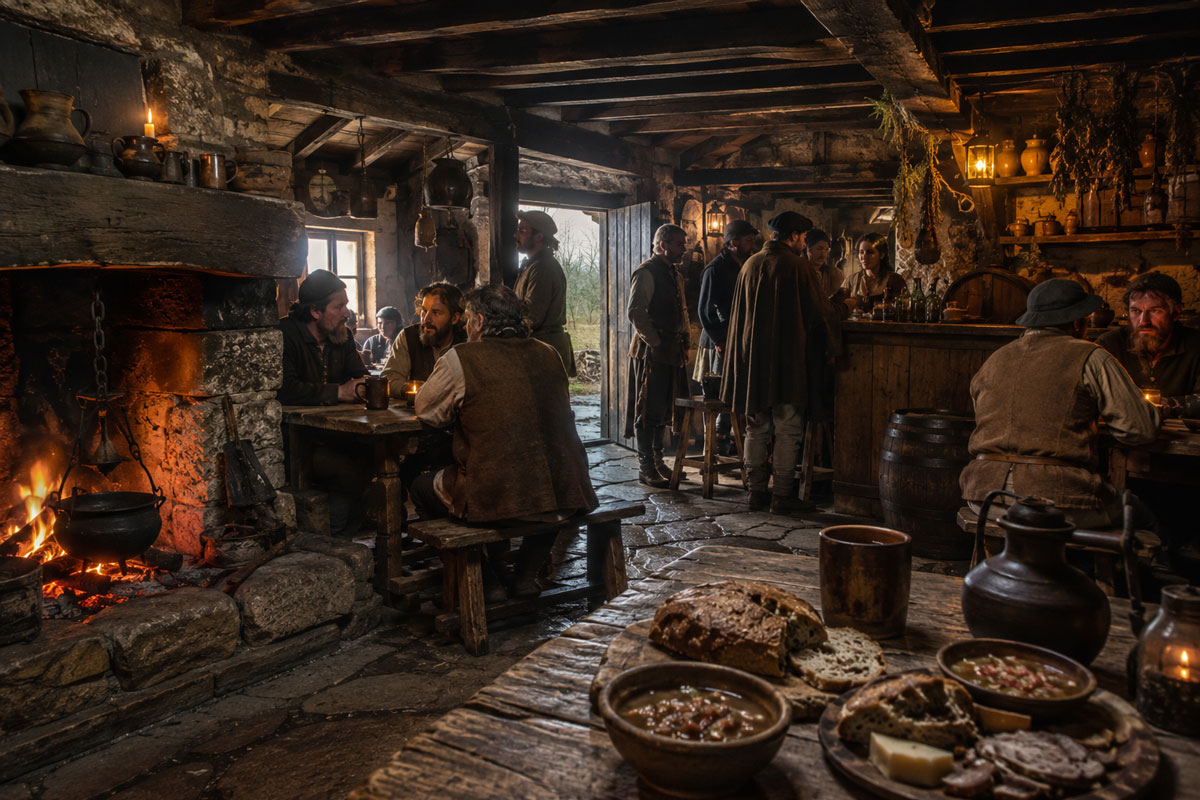
The atmosphere was practical rather than luxurious. Wooden benches, rough tables, open hearths, and simple earthenware vessels were common features. Yet these humble surroundings created welcoming spaces where people could gather after long days of work.
Many alehouses also provided lodging for travelers, making them essential stops on Ireland’s developing trade routes.
The Drinks of Old Ireland
Long before stout became associated with Ireland, ale was the dominant alcoholic drink. Brewed from barley, oats, or other grains, Irish ale varied considerably depending on local ingredients and brewing techniques.
Unlike many modern beers, early ales were often lightly hopped or not hopped at all. Flavor came from the grains themselves and from various herbs used during brewing. Because ale spoiled relatively quickly, it was usually consumed close to where it was produced.
Mead also enjoyed a long history in Ireland. Made from fermented honey, it was often associated with celebrations, feasts, and wealthier households. References to mead appear in Irish mythology, medieval literature, and historical accounts.
Imported wines occasionally appeared in larger towns and among the nobility. Trade with France, Spain, and other European regions introduced wines that were considered luxury goods by many Irish consumers.
Whiskey existed in various forms by the late medieval period as distillation techniques spread throughout Europe, though it would take centuries before Irish whiskey became one of the country’s most famous exports.
What Was Served to Eat?
The food served in Irish alehouses reflected the ingredients available in local communities. Menus would have varied widely depending on geography, season, and social class, but certain staples appeared regularly.
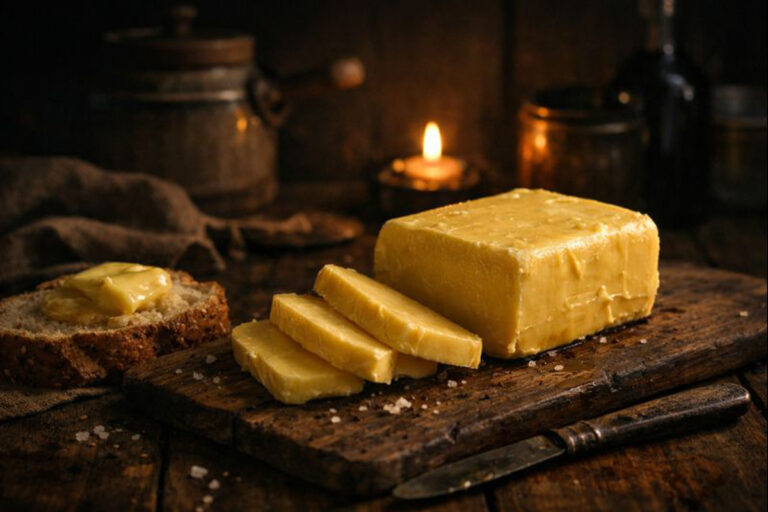
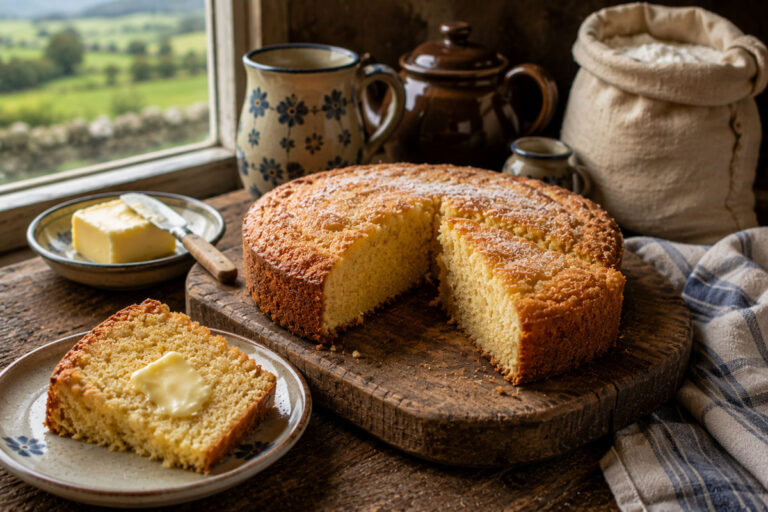
Hearty stews were common, often made with vegetables, grains, and whatever meat was available. Oat bread, barley bread, cheeses, butter, and buttermilk frequently accompanied meals.
Coastal alehouses might serve oysters, mussels, smoked fish, herring, or salmon. Inland establishments often relied more heavily on pork, bacon, game meats, and dairy products.
Soups and broths were popular because they could be prepared in large quantities over open hearth fires. Root vegetables, onions, cabbage, herbs, and grains were combined into filling meals that suited Ireland’s climate and agricultural traditions.
While modern pub food often includes standardized menus, the alehouses of old Ireland offered foods that were deeply local and seasonal.
The Alehouse as a Social Center
In an age before newspapers, radio, television, or the internet, alehouses served as information hubs. Local news, political developments, farming conditions, and market prices were all discussed within their walls.
Farmers gathered after market days to exchange information and socialize. Neighbors met to celebrate weddings, births, and other important milestones. Community disputes were discussed, friendships were formed, and local relationships were strengthened.
Many alehouses became informal meeting places where people could connect with others beyond their immediate family or village. This social function helped make them some of the most important institutions in everyday Irish life.
Storytelling, Music, and Entertainment
One of the most enduring aspects of Irish culture is its rich tradition of storytelling, and alehouses played an important role in preserving it.
Travelers often arrived carrying stories from distant regions. Local storytellers entertained audiences with tales of heroes, saints, legends, folklore, and historical events. In a largely oral culture, these stories helped preserve community identity and cultural memory.
Music was equally important. Harpers, fiddlers, pipers, and singers frequently performed in gathering places throughout Ireland. Songs passed from one generation to the next, many eventually becoming part of Ireland’s musical heritage.
The combination of food, drink, music, and storytelling created an atmosphere that remains familiar to visitors who experience traditional Irish pub culture today.
Travelers, Inns, and Hospitality
Travel in medieval and early modern Ireland was often slow and difficult. Roads could be poor, weather conditions unpredictable, and distances challenging to cover in a single day.
As a result, inns and alehouses became essential parts of the travel network. They provided meals, shelter, warmth, and a safe place to rest before continuing a journey.
Travelers included merchants, pilgrims, government officials, soldiers, laborers, and wandering musicians. Their arrival brought fresh news and new perspectives to local communities.
For many visitors, the hospitality encountered at these establishments left a lasting impression. The tradition of welcoming strangers remains one of the defining characteristics of Irish culture.
Trade, Commerce, and Local Business
Alehouses were not only social centers; they also played an important economic role. Merchants often met clients and suppliers over meals and drinks. Livestock sales, grain purchases, land agreements, and transportation arrangements were frequently discussed in these informal settings.
Market towns benefited particularly from the presence of inns and taverns. On market days, drinking houses filled with farmers, traders, and visitors conducting business before returning home.
In many communities, the local alehouse served as a natural gathering place where economic activity and social interaction became closely intertwined.
The Rise of Taverns and Shebeens
As Ireland’s towns expanded and regulations surrounding alcohol sales evolved, taverns became increasingly common. These establishments often offered a broader selection of drinks and catered to a wider range of customers.
Another uniquely Irish development was the shebeen. Typically operating without an official license, shebeens sold alcohol from private homes or hidden locations. They became particularly common during periods when licensing laws were restrictive.
Shebeens acquired a reputation for secrecy and independence, though many also functioned as important community gathering places. Their existence highlights the enduring Irish tradition of creating social spaces wherever people could gather to share food, drink, and conversation.
From Alehouse to Modern Pub
During the eighteenth and nineteenth centuries, Ireland’s drinking culture continued to evolve. Improvements in transportation, urbanization, commercial brewing, and licensing regulations gradually transformed traditional alehouses into the public houses familiar today.
Purpose-built pubs became more common. Brewing industries expanded, creating greater consistency in the beers available across the country. The rise of famous breweries helped shape new drinking habits and consumer expectations.
Yet despite these changes, many traditional elements survived. The emphasis on hospitality, storytelling, music, and community remained central to Irish social life.
The Legacy of Ireland’s Early Drinking Houses
The alehouses of old Ireland laid the foundations for one of the country’s most beloved cultural institutions. Although the buildings, drinks, and menus have changed over time, the underlying spirit remains remarkably familiar.
Today’s Irish pubs continue many traditions that flourished centuries ago: welcoming strangers, sharing stories, celebrating music, conducting business, and bringing communities together.
When visitors step into a traditional pub and hear lively conversation around a fire or music drifting through the room, they are experiencing echoes of a much older Ireland. The alehouses, inns, and taverns that once dotted the countryside helped shape a culture of hospitality and fellowship that continues to define Irish social life.
Long before the modern pub became a symbol of Ireland, these early gathering places provided food, drink, shelter, entertainment, and companionship. Their influence remains woven into the fabric of Irish culture, ensuring that the spirit of the old alehouse lives on in every welcoming pub across the island.