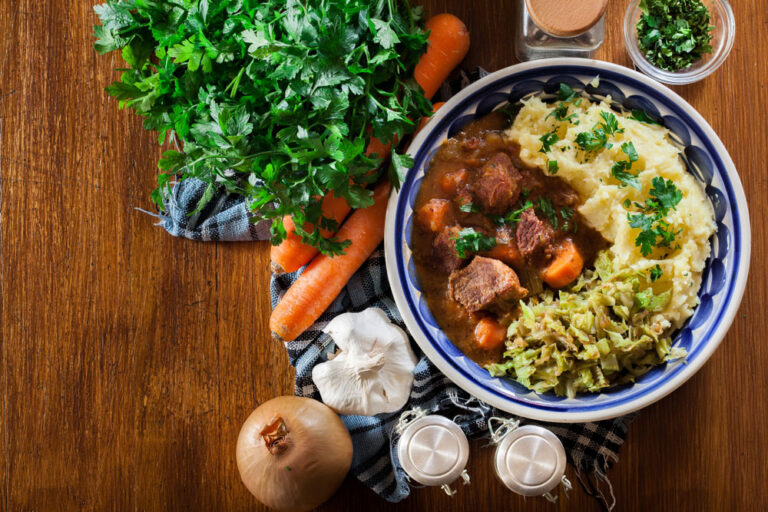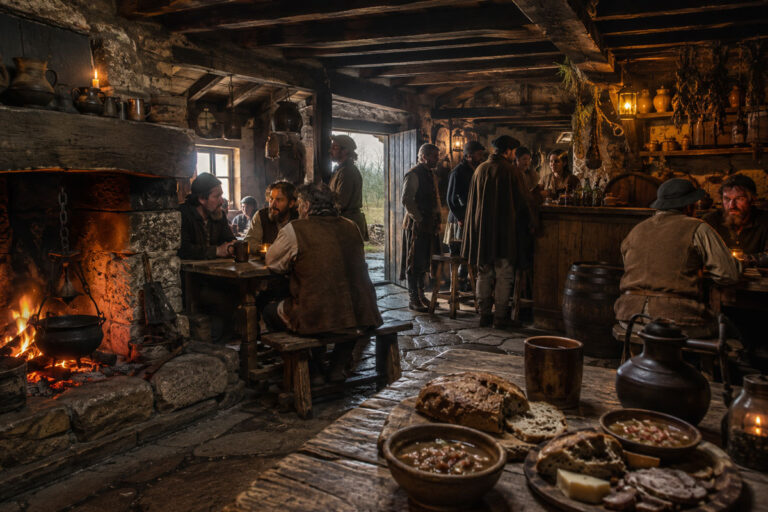



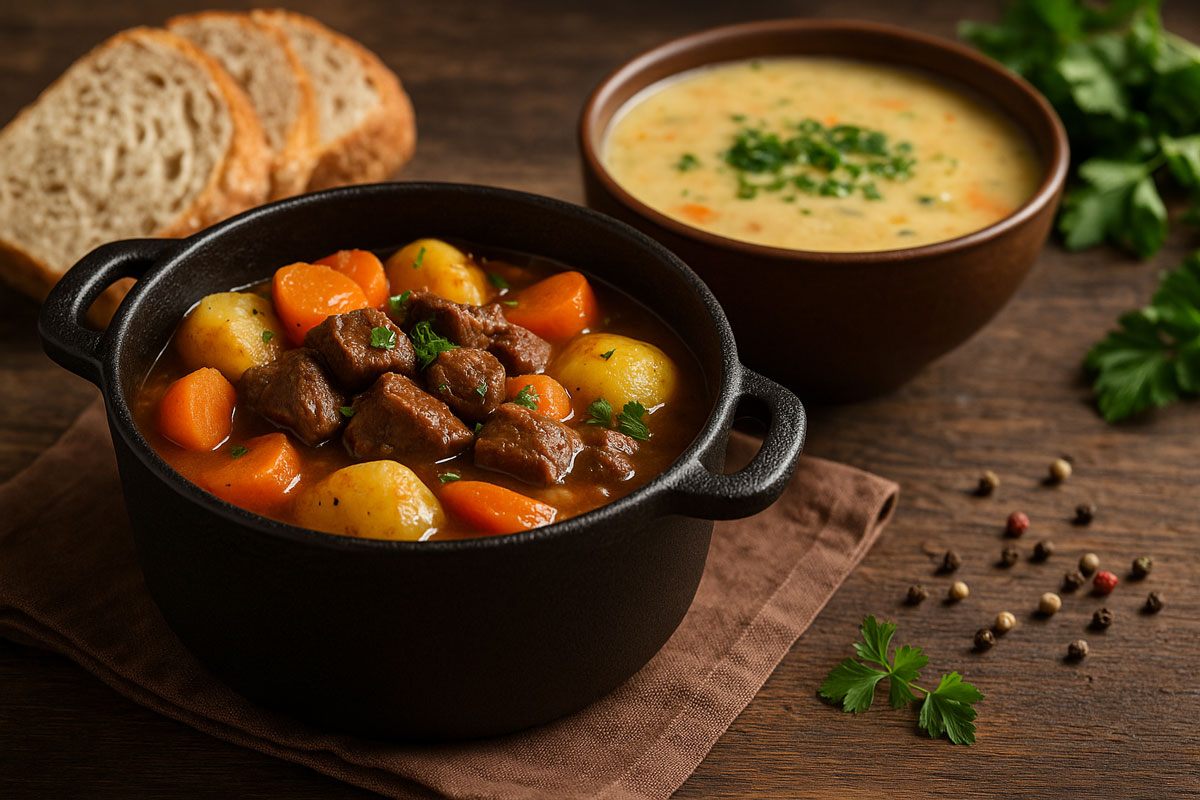
When winter settles over Ireland—bringing Atlantic winds, long nights, and the familiar damp chill—there are few comforts as satisfying as a steaming bowl of stew or soup. For centuries, Irish households relied on hearty, slow-cooked pots of vegetables, root crops, and tender meats to carry them through the cold months. These dishes were not just meals; they were nourishment, warmth, and tradition served from one generation to the next.
From the classic Irish stew of lamb and potatoes to the rich, peppery Coddle of Dublin, these recipes grew from necessity. They made use of what was available—root vegetables that stored well, preserved meats, and simple seasonings that brought depth to humble ingredients. Over time, each region and family added its own touch, creating a tapestry of winter comfort foods unique to Ireland.
Today, these stews and soups remain a beloved part of Irish cuisine. Some are rustic and traditional, others reinvented by modern cooks who introduce new flavours while preserving the soul of the dish. But all share the same purpose: to warm the body, lift the spirit, and bring a taste of home during Ireland’s coldest days.
Table of Contents
- Introduction: Comfort Food for the Irish Winter
- Traditional Irish Stews: From Lamb to Coddle
- Hearty Soups That Warm the Soul
- Regional Winter Warmers Across Ireland
- Modern Twists on Classic Winter Dishes
- How to Build the Perfect Irish Winter Stew
Introduction: Comfort Food for the Irish Winter
When winter settles over Ireland—bringing Atlantic winds, long nights, and the familiar damp chill—there are few comforts as satisfying as a steaming bowl of stew or soup. For centuries, Irish households relied on hearty, slow-cooked pots of vegetables, root crops, and tender meats to carry them through the cold months. These dishes were not just meals; they were nourishment, warmth, and tradition served from one generation to the next.
From the classic Irish stew of lamb and potatoes to the rich, peppery Coddle of Dublin, these recipes grew from necessity. They made use of what was available—root vegetables that stored well, preserved meats, and simple seasonings that brought depth to humble ingredients. Over time, each region and family added its own touch, creating a tapestry of winter comfort foods unique to Ireland.
Today, these stews and soups remain a beloved part of Irish cuisine. Some are rustic and traditional, others reinvented by modern cooks who introduce new flavours while preserving the soul of the dish. But all share the same purpose: to warm the body, lift the spirit, and bring a taste of home during Ireland’s coldest days.
Traditional Irish Stews: From Lamb to Coddle
Few dishes represent Ireland’s culinary heritage more deeply than its stews. Built on simplicity, resourcefulness, and the rhythm of rural life, Irish stews were designed to simmer slowly, stretch ingredients, and nourish families through long winters. Each region developed its own flavours and techniques, but the heart of Irish stew-making has always remained the same: wholesome ingredients cooked patiently until they become greater than the sum of their parts.
Irish Lamb Stew
The classic version of Irish stew features lamb or mutton, potatoes, onions, and carrots. Traditionally, tougher cuts—like shoulder or neck—were preferred because they softened beautifully with long cooking. Potatoes were layered in the pot, creating a starchy broth that thickened naturally as the stew simmered. Parsley or thyme added gentle flavour, while some cooks enriched the broth with barley or leeks. The result was a warm, filling dish that fueled farmers through cold winters and remains one of Ireland’s most beloved meals. (View our recipe)
Dublin Coddle
A uniquely Dublin creation, Coddle was born from practicality. It combines sliced pork sausages, rashers, potatoes, and onions, all gently simmered rather than browned. Coddle was often prepared when families wanted to use up ingredients before Friday fasting—hence its reputation as a Thursday-night supper. The broth is salty, savoury, and deeply comforting, especially when served with thick slices of soda bread to soak up the juices. (View our recipe)
Beef and Guinness Stew
Although more modern than its lamb-based cousin, Beef and Guinness stew has become an Irish favourite. Slow-cooked beef mingles with onions, carrots, and a generous pour of Guinness, which gives the broth its signature depth and dark richness. Long simmering softens the bitterness of the stout, leaving behind a velvety sauce that clings to every bite. It’s a staple in pubs during winter and a dish that showcases Ireland’s iconic brewing heritage. (View our recipe)
Skillet or Fire-Side Stews
In rural Ireland, many stews were once cooked in bastibles or cast-iron pots suspended over an open hearth. This slow, smoky style added earthy notes to simple ingredients like root vegetables, bacon pieces, or offcuts of meat. While less common today, the tradition lives on in rustic farmhouse cooking and outdoor gatherings where a pot over the fire still holds its timeless charm.
Whether enjoyed in a Dublin pub or a quiet kitchen in the countryside, traditional Irish stews capture the essence of winter comfort—simple, hearty, and deeply tied to Ireland’s landscape and history.
Hearty Soups That Warm the Soul
Irish soups have long been a staple during cold months, offering nourishment, warmth, and a way to stretch ingredients when resources were limited. Built around root vegetables, grains, and simple broths, these soups brought deep comfort to rural households. Many were eaten with soda bread or oatcakes, making them filling enough to serve as a full meal. Today, they remain favourites for their rustic flavour and homely appeal.
Potato and Leek Soup
A classic across Ireland, potato and leek soup is smooth, creamy, and warming. Traditionally, it was made with just a few ingredients: potatoes, leeks, stock (often homemade), and a splash of milk or cream. Its mild, soothing flavour made it a winter essential. Modern versions sometimes add herbs like thyme, garlic, or a pat of butter for richness, but the soul of the dish remains unchanged—comfort in a bowl. (View our recipe)
Carrot and Parsnip Soup
This vibrant, slightly sweet soup showcases two of Ireland’s hardiest root vegetables. Carrot and parsnip soup became common in winter because both vegetables stored well through the colder months. When simmered together with onions and stock, they create a velvety, golden soup with natural sweetness. Many Irish cooks finish it with nutmeg or ginger for a warming kick. (View our recipe)
Seafood Chowder
Coastal communities developed their own winter warmers, and Irish seafood chowder remains one of the most celebrated. Thick, creamy, and hearty, chowder usually includes chunks of smoked haddock, salmon, cod, and sometimes mussels or prawns. Potatoes add body, while parsley and cracked pepper brighten the flavour. Each region has its own variation, but all share the same comforting richness—perfect for a cold day near the Atlantic. (View our recipe)
Vegetable Broth With Barley
Barley has been a staple Irish grain for thousands of years, and winter broths often relied on it for nourishment. Vegetable and barley soup combines carrots, onions, celery, and potatoes with tender barley that swells during simmering, transforming the broth into a filling, stew-like dish. Historically, this soup was eaten during fasting periods or when meat was scarce, making it one of the most traditional winter soups in Ireland.
In every corner of Ireland, these soups played—and still play—a vital role during the cold season. They echo the qualities of Irish cooking itself: simple ingredients, deep flavour, and warmth shared around the table.
Regional Winter Warmers Across Ireland
While Ireland shares a national love of hearty stews and soups, each region developed its own winter dishes shaped by landscape, resources, and local traditions. From the rugged Atlantic coast to the fertile midlands, winter cooking often reflected what the land and sea provided. These regional warmers highlight the diversity and character of Irish food across the island.
Connemara: Fisherman’s Chowder and Rustic Stews
On the west coast, where the Atlantic defines daily life, winter warmers often revolve around the sea. Connemara seafood chowder is famed for its smoky depth, often made with haddock, pollock, and potatoes. Inland, families relied on rustic stews of mutton, barley, and root vegetables—simple meals that carried enormous flavour after hours of simmering on the hearth.
Cork and Kerry: Butter-Rich Broths and Spiced Meats
In the south, winter dishes often reflected the region’s dairy wealth. Cork’s buttered vegetable soups, enriched with cream or buttermilk, were local favourites. Kerry kitchens made use of spiced beef—salted and seasoned cuts slow-cooked until tender—served with cabbage, carrots, or used to flavour hearty winter broths. These dishes were particularly loved around Christmas.
Dublin: Coddle and City Comforts
Dublin’s winter warmers were shaped by urban life. Coddle, with its sliced sausages, rashers, potatoes, and onions, was a practical dish for families using leftovers and inexpensive cuts. It simmered slowly for hours, feeding large households with minimal effort. Dubliners also enjoyed simple broth soups, often enhanced with pearl barley or small amounts of beef shin.
The Midlands: Root Vegetables and Farmhouse Broths
In the heart of Ireland, winter meant relying on the harvest stored in barns and root cellars. Farmhouse vegetable broths with turnips, carrots, leeks, and oats were staples in counties like Laois, Offaly, and Westmeath. These dishes emphasised warmth over richness—perfect for long working days on the land.
Ulster: Potato-Based Soups and Smoked Flavours
Ulster’s winter cooking often featured potato-based soups like champ broth (potato, scallions, and milk) or hearty mixes with cabbage and bacon. The region’s tradition of smoking meats and fish also added depth to winter dishes—smoked bacon, haddock, or even ham bones lent robust flavour to stews and soups served throughout the colder months.
Together, these regional dishes paint a picture of Ireland’s varied landscapes and the ways communities adapted their cooking to survive— and even celebrate—winter. Each bowl tells a story of place, people, and resilience.
Modern Twists on Classic Winter Dishes
Irish winter cooking is rooted in tradition, but today’s chefs and home cooks are bringing new ideas to the table while preserving the hearty comfort these dishes are known for. By pairing old techniques with fresh ingredients, adding global influences, or simply refining classic methods, modern Irish cuisine breathes new life into winter warmers without losing their soul.
Lamb Stew With Red Wine and Herbs
A contemporary riff on the classic Irish stew adds depth with red wine, rosemary, garlic, and a splash of balsamic vinegar. Instead of boiling, the lamb is often browned first for extra flavour, then slow-cooked until tender. Root vegetables remain essential, but parsnips, turnips, or even sweet potatoes may join the mix. The result is richer and more aromatic, perfect for cosy winter evenings.
Guinness-Infused Chowder
Chefs along the coast have created bolder versions of traditional seafood chowder by adding a touch of stout. Guinness contributes a subtle roasted note that complements smoked haddock, mussels, or salmon. Finished with cream, fresh herbs, and cracked pepper, this chowder blends old Irish flavours with modern flair.
Vegetarian and Vegan Winter Stews
Plant-forward cooking has inspired many creative alternatives to classic stews. Lentils, beans, and mushrooms stand in for meat, while barley and oats add body. Smoked paprika, thyme, and roasted garlic bring warmth, and seasonal vegetables—like cabbage, kale, or squash—turn these dishes into hearty, nutritious winter meals that honour Ireland’s vegetable-growing heritage.
Spiced Root Vegetable Soup
Irish cooks are increasingly incorporating spices such as ginger, cumin, turmeric, and coriander into winter soups. These additions pair beautifully with carrots, parsnips, and potatoes, creating bowls that are both nostalgic and invigorating. Served with brown soda bread or seeded wheaten loaf, this soup is a modern favourite on café menus.
Beef and Barley With a Global Touch
Classic beef and barley soup gets an update with flavours from abroad. A splash of soy sauce, Worcestershire, or a spoon of Dijon mustard enhances the broth’s savoury depth. Some cooks add mushrooms or slow-roasted tomatoes for richness, creating a cross-cultural version that feels both Irish and international.
These modern twists highlight Ireland’s evolving food culture—one that embraces new influences while staying true to comfort and simplicity. Whether served in a restaurant or a home kitchen, winter dishes continue to warm Irish hearts, just as they have for generations.
How to Build the Perfect Irish Winter Stew
A good Irish winter stew isn’t complicated—but it does reward care and patience. With the right ingredients, a heavy pot, and enough time, you can turn simple staples into something deeply comforting. Think of stew-making as building layers of flavour, one step at a time.
1. Start With the Right Pot
A heavy-bottomed pot, cast-iron casserole, or Dutch oven is ideal. It distributes heat evenly, prevents burning, and allows the stew to simmer gently—just like the old bastibles that once hung over open hearths in Irish cottages.
2. Choose Your Base: Lamb, Beef, or Vegetables
For a traditional feel, choose lamb shoulder, neck, or beef chuck—cuts that benefit from long, slow cooking. Trim excess fat but leave enough for flavour. For a vegetarian or vegan stew, use mushrooms, lentils, or beans to provide heartiness and texture.
3. Brown for Flavour (If Using Meat)
While older recipes often skipped browning, many modern Irish cooks sear the meat first. Browning in a little oil or butter adds rich, caramelised flavour to the pot. Remove the meat once browned and use the same pot to soften your vegetables.
4. Build the Vegetable Layer
Onions, carrots, and celery form the classic flavour base, but Irish stews almost always feature potatoes and often parsnips, turnips, or leeks. Soften the onions first, then add the root vegetables. A mix of waxy and floury potatoes can give both structure and body to the stew.
5. Add Liquid and Seasoning
Cover the ingredients with stock, water, or a mix of stock and stout (such as Guinness for beef stews). Season with salt, black pepper, and herbs like thyme, bay leaf, or parsley. For extra depth, some cooks add a spoon of tomato paste, Worcestershire sauce, or a dash of red wine—especially in modern variations.
6. Simmer Low and Slow
Bring the pot just to the boil, then reduce the heat and let it simmer gently. Stews are best when cooked slowly for 1½–3 hours, depending on the cut of meat. The goal is tender meat, soft vegetables, and a broth that naturally thickens as starch is released from the potatoes or barley.
7. Finish With Freshness
Right before serving, taste and adjust the seasoning. A handful of chopped fresh parsley or chives lifts the flavour. For extra comfort, serve with Irish soda bread, brown wheaten bread, or simple buttered potatoes on the side.
With these steps, you can create a winter stew that feels both timeless and personal—rooted in Irish tradition yet tailored to your own kitchen. Whether you choose lamb, beef, or vegetables, a well-made stew brings the same reward: warmth, generosity, and the feeling of being truly at home on a cold winter’s day.