



The Irish pub has long been a cornerstone of community life, offering warmth, hospitality, and a hearty meal to go with a pint. For generations, the menu was simple and comforting—think steaming bowls of Irish stew, plates of coddle, or a classic shepherd’s pie. These dishes reflected Ireland’s farming and fishing traditions, with ingredients drawn directly from the land and sea.
Table of Contents
- Introduction: More than a Pint and a Stew
- The Traditional Pub Menu
- Global Influences Begin
- The Gastro Pub Movement
- The Modern Pub Menu and Beyond
More than a Pint and a Stew
But the Irish pub has never been frozen in time. Over the decades, pub menus have expanded, diversified, and embraced global flavors. From Italian pasta in the 1980s to the rise of gourmet burgers in the 1990s and sushi rolls appearing in today’s gastropubs, the story of the pub menu is also the story of a changing Ireland. As tastes evolved, so too did the food that accompanied a pint of Guinness or a glass of whiskey.
The Traditional Pub Menu
For much of the 19th and 20th centuries, the Irish pub menu was rooted in hearty, home-style dishes designed to nourish working people. These meals were inexpensive, filling, and made from ingredients that were readily available in rural Ireland. In many ways, they reflected the nation’s agricultural and fishing heritage.
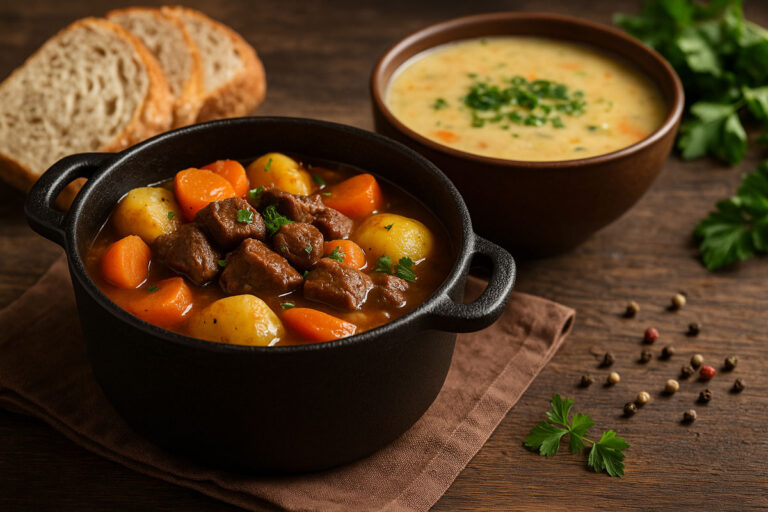
Among the classics was the Irish stew, often made with mutton or lamb, potatoes, onions, and carrots. This dish symbolized comfort and thrift, stretching simple ingredients into a communal meal. Dublin coddle, another staple, combined sausages, rashers, onions, and potatoes in a slow-cooked broth, making use of leftovers in a satisfying way.
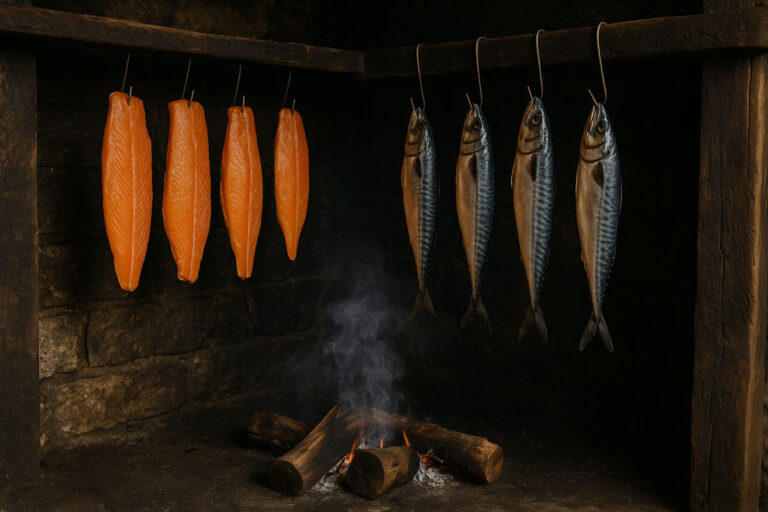
Seafood also played an important role, especially in coastal pubs. Seafood chowder brimming with fresh fish, mussels, and cream became a beloved dish, paired with slices of brown soda bread for dipping. In the west, boxty—a potato pancake fried on a griddle—was another traditional offering, celebrating Ireland’s most important crop.
These dishes were not just about flavor; they were about sustenance. A pub meal needed to warm the body, fill the stomach, and complement a pint of stout or ale. The atmosphere was simple and familiar, with food served in large portions to match the generosity of Irish hospitality.
For many decades, these traditional meals dominated pub menus across Ireland. Yet by the late 20th century, global influences began to find their way onto the table, slowly reshaping what it meant to dine in an Irish pub.
Global Influences Begin
By the 1980s and 1990s, Ireland was changing rapidly, and so too were its pubs. The arrival of new ingredients, increased tourism, and the influence of Irish emigrants returning home with fresh ideas meant that the pub menu could no longer remain limited to stew and soda bread. Instead, it began to expand, reflecting Ireland’s growing openness to the world.
One of the first signs of this shift was the introduction of Italian-inspired dishes such as lasagna, spaghetti bolognese, and garlic bread. These meals became staples in many pubs, appealing both to locals looking for variety and tourists seeking familiar flavors. At the same time, American-style burgers and fries started appearing, quickly becoming pub favorites and remaining popular to this day.
Another international influence came from closer to home: Britain’s love of Indian curries. Curry chips, a simple but addictive combination of crispy fries topped with curry sauce, spread across Irish pubs and fast-food counters, becoming a late-night essential.
This era was also when pubs began to experiment with Tex-Mex dishes like nachos, chili con carne, and fajitas, widening their appeal to younger, more adventurous eaters. Global flavors were no longer confined to city centers—rural pubs, too, were updating their menus.
While some traditionalists resisted these changes, for many Irish pub-goers, the blending of global dishes with old favorites was a welcome evolution. By the time the Celtic Tiger economy of the 1990s and early 2000s boomed, Ireland’s pubs had become far more cosmopolitan, setting the stage for the rise of the gastropub.
The Gastro Pub Movement
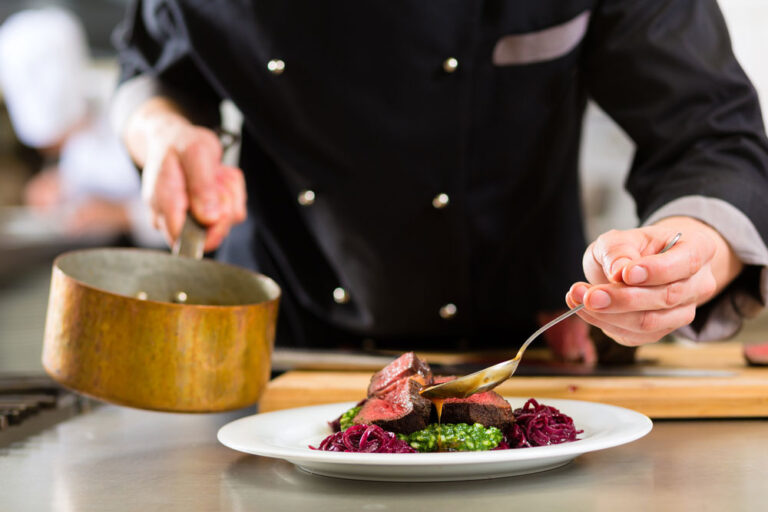
As Ireland entered the 2000s, the rise of the gastropub transformed the way people thought about pub dining. No longer was the pub simply a place for hearty, filling food—it became a space where chefs could showcase creativity, celebrate local ingredients, and elevate traditional dishes to new culinary heights.
The gastropub movement emphasized seasonality and provenance. Menus highlighted local farms, dairies, and fisheries, reflecting a growing appreciation for food sustainability. Classic dishes such as Irish stew and fish and chips were reimagined with gourmet twists, often paired with artisan sauces or craft beer reductions.
At the same time, artisan cheeses, charcuterie boards, and wild game made their way onto menus. Pub-goers could enjoy rabbit terrine, venison burgers, or farmhouse cheeses served with chutneys—items that would have been unthinkable on a pub menu a generation earlier.
The gastropub also aligned perfectly with the craft beer boom. Pubs began offering curated beer pairings alongside their dishes, showcasing how locally brewed stouts, ales, and IPAs could complement everything from shellfish to slow-cooked meats. Whiskey tastings, too, became part of the dining experience.
This shift didn’t just attract food lovers—it elevated the reputation of Irish pubs internationally. Suddenly, pubs weren’t only watering holes but destinations for fine dining, drawing tourists eager to experience Irish hospitality with a gourmet twist.
By blending tradition with innovation, the gastropub marked a turning point. And yet, the evolution of the Irish pub menu didn’t stop there. Today, global flavors have become an everyday part of pub dining, with some offerings that would have once seemed unimaginable.
The Modern Pub Menu and Beyond
Today, walking into an Irish pub means encountering a menu that reflects both tradition and global influence. The staples remain—Irish stew, coddle, chowder, and shepherd’s pie—but they now share the stage with dishes from every corner of the world.
It is no longer unusual to find sushi platters, tapas boards, or vegan curries alongside a pint of Guinness. Pub kitchens are increasingly adventurous, serving up Thai stir-fries, Mexican tacos, and Middle Eastern falafel wraps. Many establishments offer dedicated vegetarian and vegan menus, catering to Ireland’s changing dietary preferences and younger, health-conscious diners.
Meanwhile, fusion has become a defining feature of the modern pub experience. Think boxty tacos, seafood chowder with Asian spices, or artisan burgers topped with Irish cheddar and kimchi. These combinations highlight how the pub menu has evolved into a creative canvas where heritage meets innovation.
Yet despite all the change, one thing remains constant: the pub’s role as a place of community. Whether sharing a plate of sushi in Dublin, enjoying tapas in Galway, or tucking into a bowl of stew in Kerry, the pub continues to be where people gather to eat, drink, and connect.
Looking ahead, the future of the Irish pub menu is likely to focus on sustainability, local sourcing, and seasonal produce. With growing interest in foraging, organic farming, and low-waste cooking, pubs are poised to remain at the forefront of Ireland’s ever-changing food culture.
From stew to sushi, the Irish pub menu tells the story of a nation that honors its traditions while embracing the world. It is a testament to Ireland’s ability to preserve community, adapt with the times, and serve up hospitality—one plate at a time.