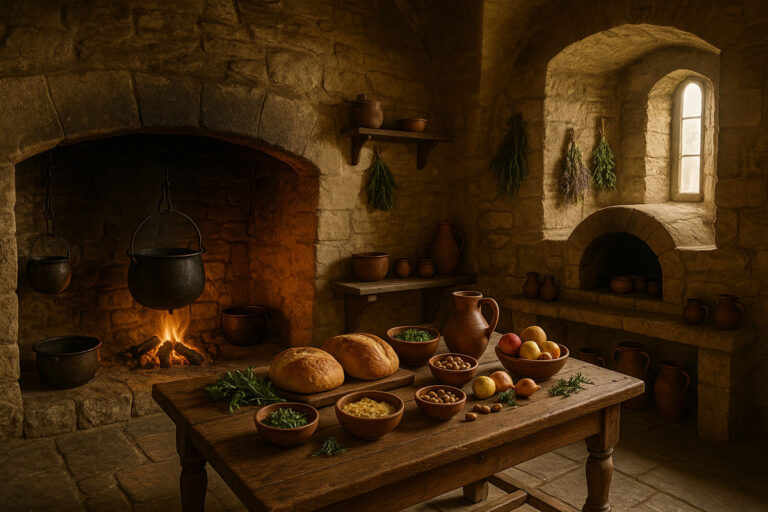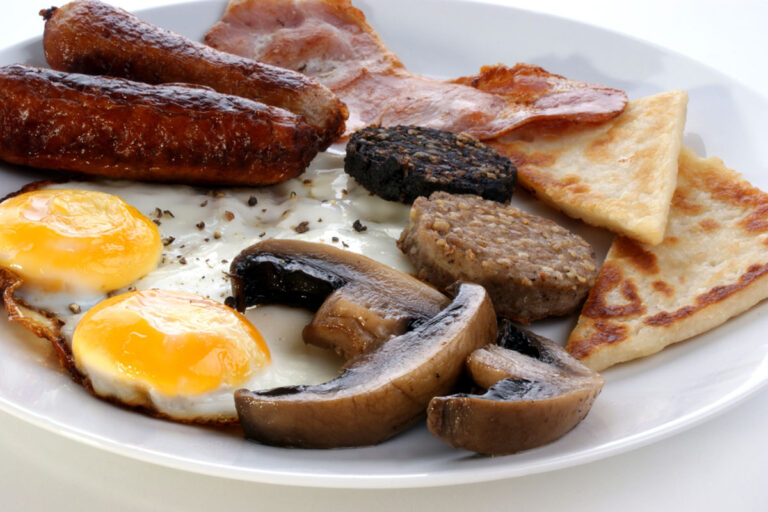


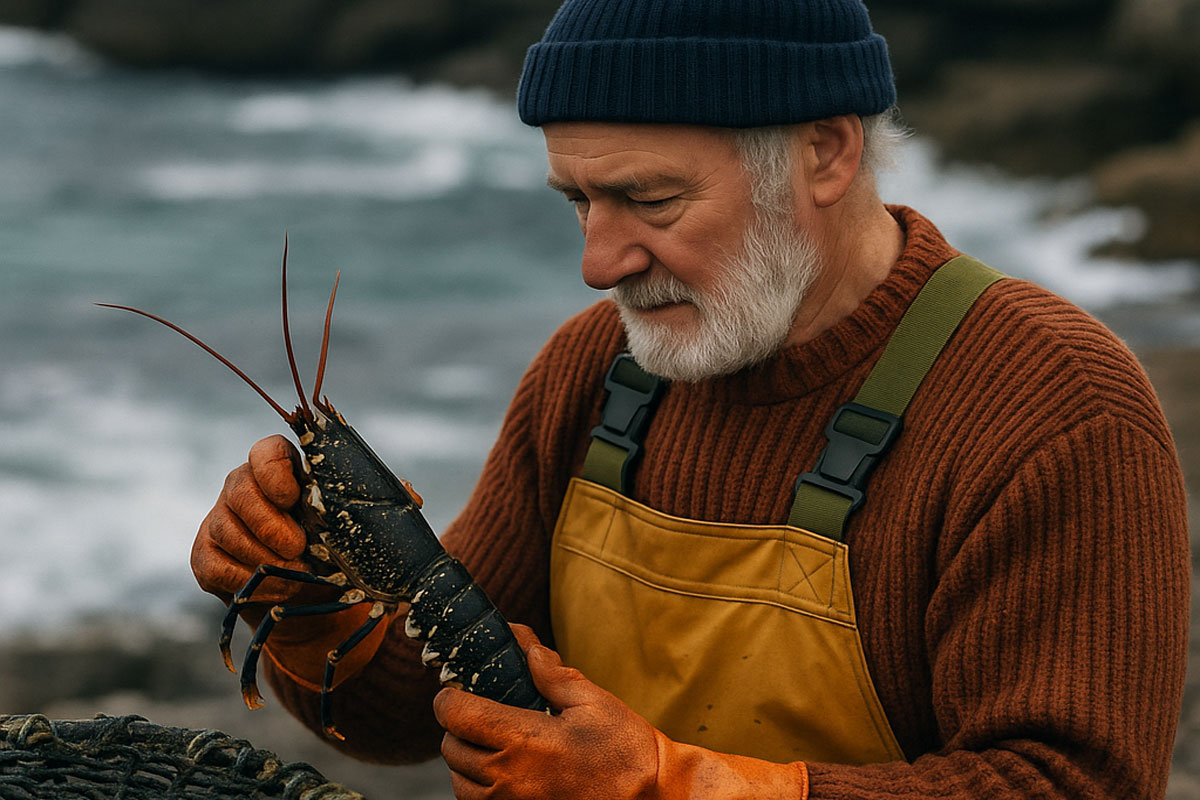
The Aran Islands, a windswept trio of rocky outcrops off the coast of County Galway, are best known for their rugged beauty, distinctive culture, and enduring traditions. Yet one of the most fascinating aspects of island life is its food heritage—shaped by the Atlantic Ocean, the harsh limestone landscape, and the resilience of its people. From simple seafood dishes to unique farming practices, the Aran Islands offer a rich culinary story that reflects both hardship and creativity.
Table of Contents
- Living from the Land and Sea: Survival and Ingenuity
- Traditional Farming Practices on the Aran Islands
- Seafood Traditions: Harvesting the Atlantic’s Bounty
- Bread, Dairy, and Daily Meals in Island Life
- Preserving the Past: Food, Culture, and Tourism Today
Living from the Land and Sea – Survival and Ingenuity
The Aran Islands—Inis Mór, Inis Meáin, and Inis Oírr—have long been viewed as places of resilience. With little fertile soil and constant exposure to Atlantic storms, survival required ingenuity and resourcefulness. This reality is reflected in the islands’ food heritage, which emphasizes practicality, sustainability, and making the most of what the land and sea could provide.
Creating soil from stone: One of the most remarkable aspects of Aran Island food history is the way locals created arable land. With no natural topsoil, islanders built their own by layering sand, seaweed, and manure between the cracks of the limestone. This labor-intensive process allowed them to grow potatoes, oats, and vegetables—crops that became dietary staples. The reliance on seaweed not only fertilized the land but also symbolized the deep connection between the ocean and daily survival.
Fishing as a lifeline: The Atlantic Ocean was the other great provider. Fishing was essential, with mackerel, herring, and pollock forming the backbone of the island diet. Islanders often fished in currachs—lightweight, tar-covered boats that could withstand the Atlantic swells. Fish were eaten fresh when possible but were more often salted, dried, or smoked to ensure a supply through lean months.
Foraging and self-sufficiency: Beyond farming and fishing, island families supplemented their diet with foraging. Seaweed varieties like carrageen moss and dulse were gathered for food and medicine. Wild herbs and berries were used to flavor meals or brewed into simple remedies. This culture of foraging reflected a holistic approach to food, where nothing in the environment was overlooked.
Resilience through simplicity: The diet of the Aran Islands was never about luxury but about nourishment and endurance. Meals were plain but hearty—fish stews, boiled potatoes, porridge, and homemade bread sustained generations. The simplicity of the food mirrored the lifestyle: practical, communal, and deeply tied to the rhythms of the land and sea.
The Aran Islands’ ability to create food traditions from such a challenging environment is a story of resilience and adaptability.
Traditional Farming Practices on the Aran Islands
Farming on the Aran Islands has always been an extraordinary feat of determination and ingenuity. Unlike the fertile fields of mainland Ireland, the Aran landscape is dominated by bare limestone, with little natural soil. Yet over centuries, islanders developed farming techniques that transformed the seemingly barren rock into productive land capable of sustaining crops and livestock.
Making soil from seaweed and sand: The most famous farming method on the Aran Islands was the creation of artificial soil. Islanders collected seaweed—especially kelp and wrack—from the shoreline and mixed it with sand carried from nearby beaches. Layer by layer, this mixture was spread into crevices and walled plots, gradually building up arable patches where crops could grow. This laborious process not only provided nutrition for plants but also symbolized the islanders’ reliance on the sea for survival.
Stone walls as protection: The iconic dry-stone walls of the Aran Islands served more than just aesthetic or boundary purposes—they were essential for agriculture. The walls acted as windbreaks against Atlantic gales, preventing crops from being destroyed by harsh weather. They also helped retain the precious man-made soil within small plots, known as “clocháns.” These stone patterns still define the island landscape today, a testament to centuries of agricultural resilience.
Crop staples: Potatoes were the primary crop, thriving even in the shallow soils the islanders created. Alongside them, oats and barley were commonly grown, providing porridge, bread, and fodder for animals. Vegetables such as cabbage, carrots, and turnips were also cultivated when possible, giving variety to otherwise limited diets. The small scale of farming meant that every inch of workable land was valued and carefully tended.
Livestock and dairy: Despite the limited land, islanders also kept animals such as cows, pigs, and chickens. Cattle were particularly important, providing milk, butter, and cheese. Goats were also common on the islands, valued for their hardiness and ability to thrive on sparse vegetation. Livestock not only provided protein but also manure, which was essential for enriching the soil.
Farming as community effort: Farming on the Aran Islands was rarely an individual task. Families and neighbors worked together to harvest seaweed, repair walls, and share resources. Seasonal rhythms dictated the agricultural calendar, with planting, harvesting, and seaweed collection becoming communal activities that reinforced social bonds.
These farming practices demonstrate the deep relationship between the Aran people and their environment. By blending stone, seaweed, sand, and communal effort, they managed to carve out a living from an unforgiving landscape

Seafood Traditions – Harvesting the Atlantic’s Bounty
If the land of the Aran Islands demanded ingenuity, the surrounding Atlantic Ocean offered abundance. For centuries, fishing and seafood harvesting formed the backbone of the islands’ diet and economy. The sea not only provided food but also shaped the cultural identity of the Aran people, binding them to the tides, currents, and weather of the Atlantic world.
Currach fishing: The currach, a lightweight, tar-covered wooden boat, became the essential vessel of Aran fishermen. Its flexible design allowed it to ride the Atlantic swells while still being light enough to carry ashore. Islanders used currachs to fish for mackerel, herring, pollock, and wrasse—species that thrived in the rich waters around the islands. Fishing was often a communal endeavor, with families sharing catches and preserving them for future use.
Preservation methods: Fresh fish was eaten whenever possible, often boiled or baked in simple stews with potatoes and vegetables. However, preservation was critical for survival. Salting and drying were the most common techniques, with fish strung up to dry in the salty Atlantic air or packed with layers of salt to keep them edible for months. Smoked fish was also enjoyed, particularly salmon, which became a delicacy both locally and for trade.
Shellfish and seaweed: Beyond finfish, islanders relied heavily on shellfish such as mussels, limpets, and periwinkles, which could be collected from tidal pools and rocky shores. Lobsters and crabs, once considered poor man’s food, were a regular part of the island diet long before they became luxury items. Seaweed too was a vital resource: dulse and carrageen moss were eaten as snacks, used in soups, or boiled into puddings with milk and sugar. These foods linked the island diet directly to the ocean’s gifts.
Fishing as livelihood: Fishing was not only for sustenance but also for trade. Surplus catches were sold or exchanged with the mainland, bringing in goods that could not be produced on the islands. The reliance on fishing tied the Aran Islands to broader trade networks, while still keeping their culture rooted in the sea.
Symbolism of the sea: The ocean was more than just a source of food; it was woven into folklore, songs, and identity. Stories of heroic fishermen, dangerous voyages, and miraculous catches highlight the centrality of the sea in Aran life. To this day, seafood dishes remain an important part of island hospitality, connecting modern visitors to traditions that go back generations.
The seafood traditions of the Aran Islands highlight both abundance and fragility—the richness of the Atlantic tempered by the dangers of the sea.
Bread, Dairy, and Daily Meals in Island Life
While seafood and farming formed the backbone of survival on the Aran Islands, daily life was sustained by a rhythm of simple, nourishing meals. Bread, dairy, and hearty staples provided balance to the island diet, ensuring that families remained strong in the face of the harsh Atlantic environment. These foods reflected not only necessity but also the creativity and resilience of island households.
Bread as a staple: Bread was central to Aran Island life, often made with oats, barley, or wheat when available. Brown soda bread, baked on a griddle or in simple ovens, became a daily staple, eaten with butter, cheese, or fish. Oatcakes were another common feature, especially when wheat was scarce. Baking was a communal task, with recipes passed down through generations, reflecting the importance of bread as both nourishment and tradition.
Dairy culture: Cows and goats were vital to the islands’ self-sufficiency, providing milk, butter, and cheese. Milk was consumed fresh, churned into butter, or soured into buttermilk for baking. Cheese was often made in small batches, used quickly before spoiling. Butter, in particular, was treasured, not only for its role in cooking but also as a symbol of hospitality—served generously to visitors with bread or potatoes.
Potatoes as a constant: The potato, introduced to Ireland in the 16th century, became a lifeline for the Aran Islands. Its ability to grow in the shallow, seaweed-enriched soils made it indispensable. Boiled potatoes with butter or milk formed the heart of many meals, often eaten with fish or simply with salt. During the 19th century, reliance on potatoes also made the islands vulnerable to famine, yet they remained a central staple in everyday cooking.
Daily meals: A typical day’s diet for islanders was plain but filling. Breakfast might include porridge made from oats or barley, sweetened with honey or flavored with a little milk. Lunch and dinner often centered around potatoes, bread, or fish, with butter and buttermilk as accompaniments. Meat was eaten more sparingly, usually reserved for special occasions. The emphasis was always on hearty, sustaining food that could fuel a day of hard work at sea or in the fields.
Hospitality and tradition: Food was not only about sustenance but also about community. Guests were welcomed with bread, butter, and tea, reflecting the islanders’ generosity even in times of scarcity. Seasonal festivals and religious feasts often featured shared meals, with households pooling resources to celebrate together. In this way, food was a binding force, strengthening social bonds as much as it nourished the body.
Though simple, the daily meals of the Aran Islands carried deep meaning—symbols of resilience, tradition, and hospitality.
Preserving the Past – Food, Culture, and Tourism Today
Today, the Aran Islands are celebrated not only for their breathtaking landscapes and rich cultural heritage but also for their unique food traditions. While the hardships of island life have lessened with modern transport and trade, the food heritage of the Aran Islands remains a vital link to the past—both for locals who continue these traditions and for visitors eager to experience them.
Food as cultural identity: For the island communities, traditional foods are a living reminder of resilience and ingenuity. Bread baked on griddles, fresh seafood caught in currachs, and potatoes grown in seaweed-enriched soil still feature on kitchen tables. These foods connect modern islanders with their ancestors, reinforcing identity and pride in their way of life.
Revival of traditional practices: Many traditional methods are being revived and celebrated, not out of necessity but out of cultural appreciation. Seaweed harvesting, once a survival skill, is now practiced both for culinary use and as part of sustainable food production. Local cheesemakers and bakers incorporate age-old recipes, ensuring that traditions remain alive for new generations.
Tourism and food experiences: Visitors to the Aran Islands are drawn not only to the iconic stone walls and cliffs but also to the flavors of island life. Cafés and restaurants proudly serve seafood chowders, fresh-baked soda bread, and carrageen moss puddings. Food tours and workshops offer hands-on experiences, from baking oatcakes to learning how seaweed is foraged and prepared. These immersive activities help preserve culinary traditions while supporting the islands’ economy.
Sustainability and the future: The Aran Islands are also part of Ireland’s growing movement toward sustainable food. The reliance on local produce, seasonal cooking, and minimal waste—born out of necessity centuries ago—now resonates with modern values of sustainability and environmental stewardship. In this way, the islands’ food heritage provides valuable lessons for the future of food in Ireland and beyond.
Conclusion: The food heritage of the Aran Islands tells a story of resilience, adaptation, and continuity. From making soil out of seaweed and stone to preserving fish against the Atlantic winds, the islanders turned hardship into ingenuity. Today, these traditions live on in everyday meals, cultural celebrations, and the growing interest of visitors seeking authentic Irish experiences. The Aran Islands stand as a reminder that food is more than nourishment—it is identity, memory, and a bridge between past and future.
If you plan to visit the islands themselves, our Aran Islands travel guide at IrishTravelHub.com covers everything you need to know.