


Table of Contents
- Rediscovering the Past: Ireland’s Fermented Food Heritage
- The Sourdough Revival: From Ancient Grains to Artisan Loaves
- Kimchi and Kombucha Go Celtic: Global Ferments with an Irish Twist
- Health, Gut, and Culture: Why Fermented Foods Are Trending
- Where to Taste and Learn: Irish Fermenters, Markets, and Workshops
Rediscovering the Past: Ireland’s Fermented Food Heritage
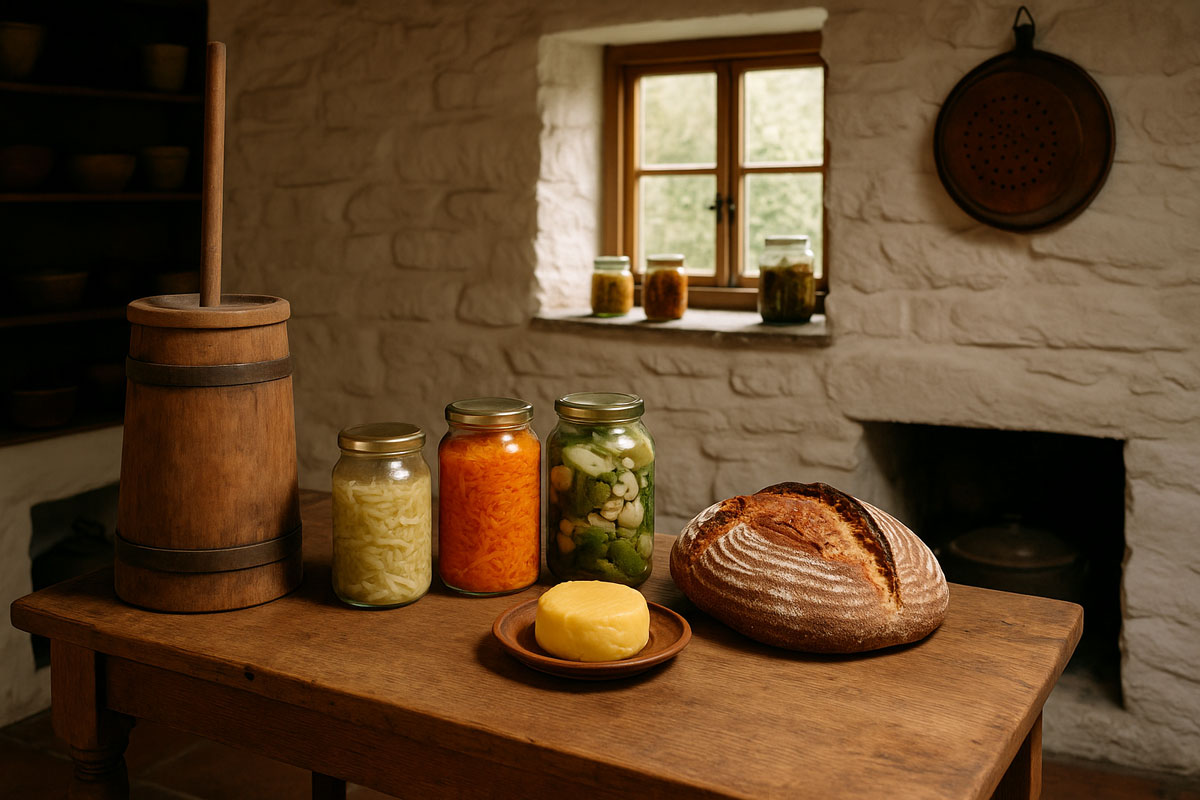
Fermented foods may be hailed as a modern wellness trend, but in truth, they’re as old as Ireland’s hills. Long before refrigeration, fermentation was essential to survival in Irish homes—from cabbage preserved in brine to buttermilk bubbling in oak churns. Today, this age-old practice is making a vibrant comeback, with Irish consumers seeking foods that are both functional and full of flavor.
In the days of our ancestors, every cottage had its own preservation techniques. Cabbage was turned into sour slaws. Dairy wasn’t just consumed fresh—it was cultured into kefir-like drinks, clabber, and thick tangy yogurts. Even fish and meat were sometimes preserved through salt-curing and slow fermentation. These methods weren’t just practical—they added complex taste and extended shelf life.
What’s driving this return to fermentation in the 21st century? A mix of nostalgia, nutrition, and the modern search for gut health. Today’s Irish foodies are looking backward to move forward, reviving traditional skills with a contemporary twist. Sourdough is rising again—not just in bakeries, but in home kitchens across the country. Kombucha taps now sit next to craft beer in hip cafés. Kimchi finds a home beside the boxty on creative brunch menus.
But beyond the buzz, there’s something deeper happening. Fermented food connects us to nature’s rhythms and to the quiet magic of time. It’s not just about what’s trendy—it’s about what endures. Ireland’s renewed embrace of fermentation is a return to roots, and a delicious one at that.
The Sourdough Revival: From Ancient Grains to Artisan Loaves
In recent years, Ireland has seen a quiet but powerful transformation in its baking culture. While sliced pan still holds nostalgic charm, sourdough has risen to prominence as the bread of choice for a growing number of Irish households and bakeries. What began as a hipster trend in urban cafés has now taken root in towns, villages, and even rural kitchens across the country.
Unlike commercially yeasted breads, sourdough is fermented slowly using wild yeasts and naturally occurring bacteria. This age-old technique results in a loaf that is easier to digest, more flavorful, and often more nourishing. For many Irish bakers, the sourdough revival is not just about taste—it’s about tradition, sustainability, and mindfulness in the kitchen.
Artisan bakeries like Firehouse Bakery in Delgany or Scéal Bakery in Dublin have helped lead the charge, offering crusty loaves that showcase Irish flour, sea salt, and heritage grains. Some even blend old varieties of wheat like spelt and emmer, connecting modern consumers to a forgotten agricultural past. And thanks to online tutorials and local workshops, more and more home bakers are nurturing their own sourdough starters on windowsills and countertops from Kerry to Kilkenny.
But sourdough’s appeal goes beyond its crumb and crust. It represents a slower way of life—a rebellion against industrial convenience. In a world where so much food is processed for speed and shelf life, sourdough stands apart. It asks us to wait. To feed something. To trust time. That philosophy resonates with a new generation of Irish people who are increasingly seeking connection through their food.
Whether it’s a rustic boule on a farmhouse table or a chewy rye loaf served with butter and pickles, sourdough in Ireland today is more than bread—it’s a movement. And it’s feeding a deeper hunger for flavor, integrity, and authenticity in how we eat.
Kimchi and Kombucha Go Celtic: Global Ferments with an Irish Twist
While sourdough has clear roots in European baking, the Irish ferment revival isn’t just about tradition—it’s also about embracing the global. In kitchens from Cork to Donegal, kimchi and kombucha have found a surprising second home. Once unfamiliar imports, they are now being reimagined with distinctly Irish ingredients and flair.
Kimchi—the spicy, pungent Korean fermented cabbage—is no longer confined to Asian restaurants. Irish chefs and food enthusiasts are now crafting versions that reflect local terroir. Think: kimchi made with savoy cabbage, wild garlic, horseradish leaves, or even seaweed harvested from the Atlantic coast. This cross-cultural fermentation is both creative and deeply rooted in Ireland’s love of seasonal, foraged food.
Kombucha, the lightly fizzy fermented tea, has also become a staple in Irish cafés and health food shops. Brewed using a SCOBY (Symbiotic Culture Of Bacteria and Yeast), kombucha production has blossomed into a cottage industry. Brands like SynerChi in Donegal and King of Kefir in Dublin are leading the charge, offering craft-brewed, small-batch kombucha made with Irish spring water and botanicals like elderflower, nettle, and hibiscus.
This new wave of fermentation is about more than importing trends—it’s about indigenizing them. Irish fermenters are not simply copying global styles; they’re blending them with the island’s own food culture. The result? A thriving, hybrid ferment scene that feels both global and local at once.
Whether it’s a spicy kimchi folded into a potato boxty or a chilled glass of kombucha enjoyed in a Galway garden, Ireland is making these once-exotic ferments its own. They’re not displacing tradition—they’re expanding it. And in doing so, they reflect a growing appetite for food that is alive, adaptive, and full of character.
Health, Gut, and Culture: Why Fermented Foods Are Trending
One of the biggest reasons fermented foods are making waves in Ireland today is their profound impact on gut health. As science continues to highlight the vital connection between our digestive system and overall well-being, more people are turning to probiotic-rich foods like sauerkraut, kefir, and kombucha to nourish the body from the inside out.
Our ancestors may not have used terms like “microbiome” or “digestive flora,” but they understood the value of foods that kept the gut in balance. Now, modern Irish consumers are rediscovering that wisdom—with help from nutritionists, doctors, and wellness influencers who are advocating for real, live, fermented foods as a daily staple.
Probiotics found in fermented foods can aid digestion, boost immunity, and even influence mood. Studies suggest that a diverse gut microbiome may play a role in reducing inflammation, supporting mental health, and enhancing nutrient absorption. And unlike supplements, fermented foods come with fiber, enzymes, and bioactive compounds that work synergistically to support the body.
This health-forward focus has helped fermentation go mainstream in Ireland. Supermarkets stock kefir beside the milk, while health food stores offer fridges full of kombucha in every flavor. Farmers markets often feature small-batch sauerkrauts, miso pastes, and ginger bugs made by local artisans. Even schools and community centers are hosting fermentation workshops as part of holistic wellness programs.
But the trend isn’t just physical—it’s also cultural. Fermentation speaks to a slower, more intentional way of living. It invites people to connect with food, not just consume it. The process encourages patience, care, and curiosity. It’s about growing your food—not just in the garden, but in a jar on your countertop.
In a world where so much of our food is sterile, fast, and forgettable, fermented foods bring something raw, alive, and ancient back to the table. And in Ireland, they’re not just a health choice—they’re becoming a lifestyle choice, too.
Where to Taste and Learn: Irish Fermenters, Markets, and Workshops
If you’re curious about diving deeper into Ireland’s fermentation movement, you’re in luck. Across the country, a growing number of artisan producers, markets, and educators are championing the art and science of fermented foods. Whether you want to sip kombucha, spread cultured butter, or learn how to make kimchi from scratch, there’s a place for you in Ireland’s living food scene.
Artisan Fermenters to Watch
- My Goodness! (Cork): A vegan food and fermentation company offering kombucha, kraut, kimchi, and live workshops focused on gut health and sustainability.
- Wild Irish Ferments (Tipperary): Known for their foraged-inspired krauts, vinegars, and live ferment tonics using native Irish ingredients.
- King of Kefir (Dublin): A microbrewery-style operation producing sparkling water kefirs with local herbs and fruit infusions.
- SynerChi (Donegal): Ireland’s first kombucha brewery, crafting organic drinks with Celtic ingredients like nettle and ginger.
Markets and Shops
- Temple Bar Food Market (Dublin): A Saturday market where fermented food vendors often pop up with small-batch krauts and live drinks.
- English Market (Cork): One of Ireland’s most historic markets, with vendors offering cultured cheeses, raw dairy, and fermented condiments.
- Urban Co-ops and Zero-Waste Shops: Locations in Galway, Limerick, and beyond now stock locally made ferments in refillable jars.
Workshops and Classes
From one-day courses in urban kitchens to countryside retreats, fermentation education is thriving in Ireland. Organizations like The Cultured Club in Belfast and Fermentation Ireland host hands-on workshops where participants can learn to make sourdough starters, krauts, dairy ferments, and fizzy drinks. These classes often blend science with storytelling, linking ancient Irish food practices with modern health insights.
Fermentation as Community
What ties all of this together is community. Whether it’s swapping a SCOBY with a neighbor or attending a fermentation festival, this movement brings people together. It fosters a sense of connection—not just to food, but to land, heritage, and each other.
Fermented foods in Ireland are more than a fad. They’re part of a food revolution that’s restoring old knowledge, championing gut health, and infusing flavor into everyday life. From wild krauts to artisan loaves, the ferment is alive—and Ireland is rising with it.