

Explore the evolution of Irish wedding banquets, from oatcakes and mead to gourmet lamb and Guinness-infused desserts. A journey through Ireland’s celebratory cuisine, past and present.
Table of Contents
- Introduction: Weddings as Feasts of Tradition
- The Ancient Wedding Table: Pre-1800s Celebrations
- Victorian Influences and Rural Banquets (1800s–Early 1900s)
- Modern Irish Wedding Menus: Local Meets Luxe
- Fusion and Revival: How Old Traditions Are Returning
Introduction: Weddings as Feasts of Tradition
Irish weddings have long been more than mere ceremonies—they’ve been community events, celebrations of union and continuity, and above all, feasts of abundance. Food has always played a central role in these joyful gatherings, not just for sustenance but for symbolism, hospitality, and festivity.
From humble countryside spreads to lavish banquet hall menus, the Irish wedding feast has evolved alongside society. What was once a table of soda bread, lamb stew, and poitín now often includes oysters, Champagne, and tiered cakes adorned with edible gold. Yet through all the change, one thing remains constant: food brings people together to honour love.
Let us now take a journey through Irish wedding cuisine—from ancient customs to the modern farm-to-fork renaissance. Whether you’re planning your own Irish celebration or simply curious about the cultural roots of these festive meals, you’ll find plenty to feast on.
The Ancient Wedding Table: Pre-1800s Celebrations
Before formal menus and printed invitations, traditional Irish weddings—especially in rural and Gaelic communities—were rooted in local customs, seasonal ingredients, and sacred symbolism. The feast was often held in the home of the bride’s family or in communal outdoor gatherings. What mattered most was not refinement, but generosity and togetherness.
Key Foods of Ancient Irish Wedding Feasts
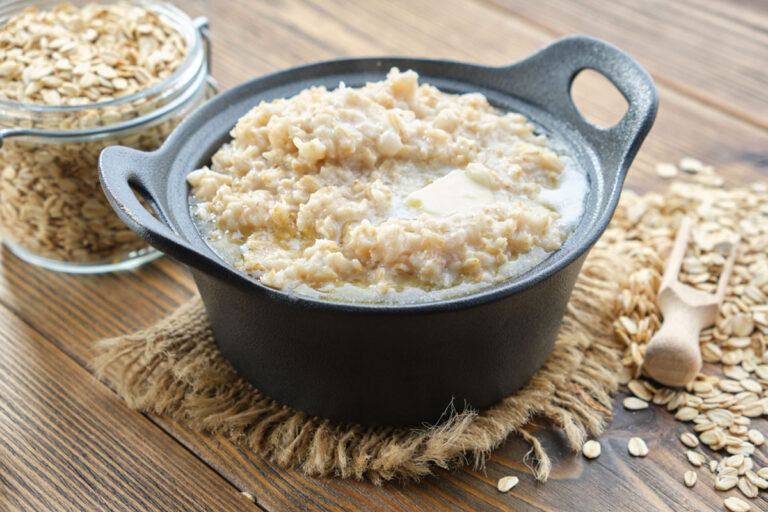
- Oatcakes and Brown Bread: Grain-based breads were staples, often baked fresh by women in the family. Oats symbolized fertility and prosperity.
- Boiled Meats and Broths: Meat, often mutton or pork, was slow-cooked and shared. In leaner regions, salted fish might take the place of fresh meat.
- Colcannon and Champ: Simple mashed potato dishes with cabbage or scallions. These were considered hearty and communal, ideal for large gatherings.
- Buttermilk and Ale: Rather than wine, guests drank homemade mead, ale, or buttermilk—fermented beverages with festive flair.
- Honey and Berries: Sweet treats were rare but symbolic. Honey, in particular, was associated with abundance and became the root of the “honeymoon” tradition.
Customs Around the Table
In early Irish society, food was also spiritual. Bread might be blessed by a family elder, and portions of the meal set aside for deceased ancestors. There was no formal seating—guests gathered freely, with music and storytelling flowing between dishes.
Though the menu was simple by modern standards, it was a deeply meaningful, rustic celebration of land and kinship. These feasts were more about honouring life’s blessings than displaying wealth.
As Ireland entered the 19th century, the structure of wedding celebrations changed—but many of these ancient flavors and customs would linger for generations to come.
Victorian Influences and Rural Banquets (1800s–Early 1900s)
As Ireland moved through the 19th century, wedding traditions began to absorb Victorian influences—especially in wealthier or urban households. At the same time, in rural Ireland, time-honoured practices persisted. This era saw a blend of rustic charm and rising aspiration, where weddings reflected a family’s status and hospitality.
Popular Dishes at Rural Irish Weddings
- Roast Goose or Chicken: For families who could afford it, poultry—especially goose—was a wedding-day delicacy, often served with potatoes and root vegetables.
- Potato Farls and Boxty: These versatile potato-based cakes were easy to prepare in large batches and could be fried or baked.
- Stewed Rabbit or Mutton: Readily available meats like rabbit were slow-cooked in hearty stews and served with thick gravy and crusty bread.
- Apple Tart and Rhubarb Pie: Homemade fruit tarts became a mainstay dessert, using what was seasonally available in cottage gardens.
- Tea and Fruitcake: A Victorian influence that took root, fruitcakes were rich, spiced, and often soaked in whiskey—an early version of the Irish wedding cake we know today.
Drink and Celebration
Whiskey became more central to Irish wedding feasts during this time, especially for toasts. Tea—newly popularized—was served alongside desserts, symbolizing both comfort and status. The feast might last all day, especially in rural areas where guests walked or rode carts from miles around.
There were also unique customs such as the “bride’s portion”—a plate of food saved for the bride while she mingled—and dancing that often spilled out into courtyards or barns. The wedding meal was not only nourishment but a statement of generosity and pride.
As the 20th century approached, more structured receptions would emerge, but the heart of the Irish wedding feast—warmth, music, and local food—remained firmly in place.
Modern Irish Wedding Menus: Local Meets Luxe
Today’s Irish wedding feasts are a refined blend of tradition and contemporary taste. Whether hosted in historic castles, boutique hotels, or countryside estates, modern receptions emphasize quality, presentation, and local ingredients. Couples often work with chefs to design bespoke menus that reflect both heritage and personality.
What’s on the Menu Today?
- Starter Courses: Think smoked salmon on brown bread, crab claws with garlic butter, wild mushroom soup, or goat cheese tartlets with beetroot.
- Main Dishes: Rack of lamb, fillet of beef with red wine jus, pan-seared hake, or vegetarian risotto made with Irish blue cheese and seasonal veg.
- Accompaniments: Creamy mashed potatoes, buttered baby carrots, roast root vegetables, and fresh sourdough rolls are commonly served.
- Desserts: Individual pavlovas, chocolate fondants, Baileys cheesecake, and apple tart with custard often top the list.
Drinks and Pairings
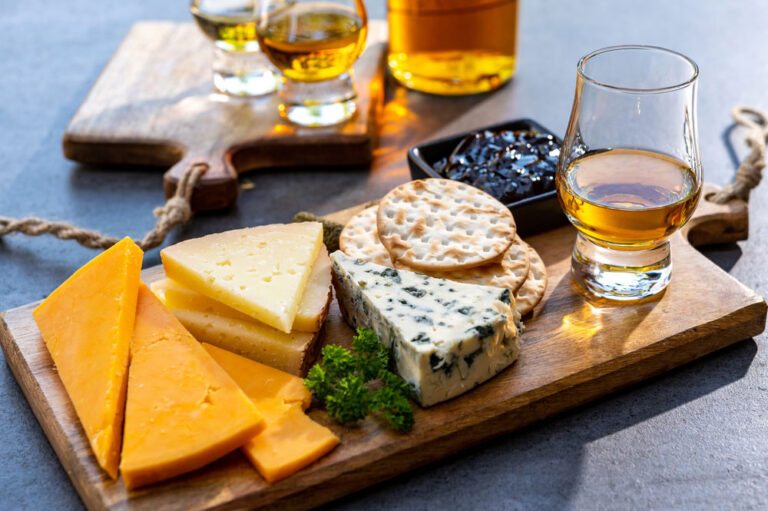
Wine pairings are now standard, alongside Champagne or prosecco for the toast. But Irish craft beers, gins, and whiskeys are also having a moment—many couples offer a tasting tray of local spirits. Mead has even made a comeback in artisan form, linking back to ancient customs.
The Irish Wedding Cake
Fruitcake remains traditional for the base layer, often soaked in whiskey and covered in almond paste and fondant. However, modern cakes may include tiers of chocolate biscuit cake, lemon sponge, or red velvet. Sugar flowers and Celtic patterns offer nods to tradition, while flavors reflect today’s diversity.
Overall, modern Irish wedding feasts celebrate abundance without forgetting their roots. The trend is toward elevated Irish cuisine: thoughtful, local, and always festive.
Fusion and Revival: How Old Traditions Are Returning
In recent years, many Irish couples have begun reintroducing heritage foods and customs into their wedding celebrations—not as rustic throwbacks, but as proud expressions of identity. This blending of old and new creates a unique wedding experience that’s rooted in both ancestral tradition and modern creativity.
Reimagined Traditional Dishes
- Boxty Canapés: Mini potato pancakes topped with smoked salmon, crème fraîche, or black pudding bring new life to a centuries-old staple.
- Modern Stew Presentations: Chefs now serve Irish lamb stew in elegant ramekins or puff pastry shells, combining comfort with class.
- Artisan Breads: Soda breads and brown loaves baked with seaweed, Guinness, or seeds are appearing on more wedding tables.
- Local Foraged Ingredients: Wild garlic, nettles, or elderflower from the Irish countryside are finding their way into sauces, syrups, and salads.
Revived Wedding Rituals
Some couples are also incorporating revived customs like the “handfasting” ceremony (an ancient Celtic symbol of union), sharing a cup of mead, or including a “bride’s cake” alongside the main wedding cake. Traditional music—bodhráns, fiddles, and pipes—is enjoying a comeback during receptions.
Why the Past Still Matters
At the heart of this revival is a deeper connection to Irish heritage. Food is one of the most meaningful ways to honor family, place, and memory. Couples today are choosing to celebrate not only their future together—but the culinary past that shaped them.
From oatcakes to oysters, lamb stew to panna cotta, the Irish wedding feast continues to evolve. But whether simple or sophisticated, one thing is clear: the spirit of hospitality, warmth, and joy that defined old Irish weddings is alive and well on today’s wedding tables.